 Chinese
 Italian
 Spain
Spain French
 German
 Arabic
 Portugese

From Vegetable Oils to High-Performance Plastic Additives
As sustainability moves from corporate talking point to procurement requirement, manufacturers are scrutinizing the origins of every input in their formulations. For many, the discovery that some of the most effective plastic additives in use today are derived from renewable vegetable oils, not petroleum, is reshaping how they think about sourcing.
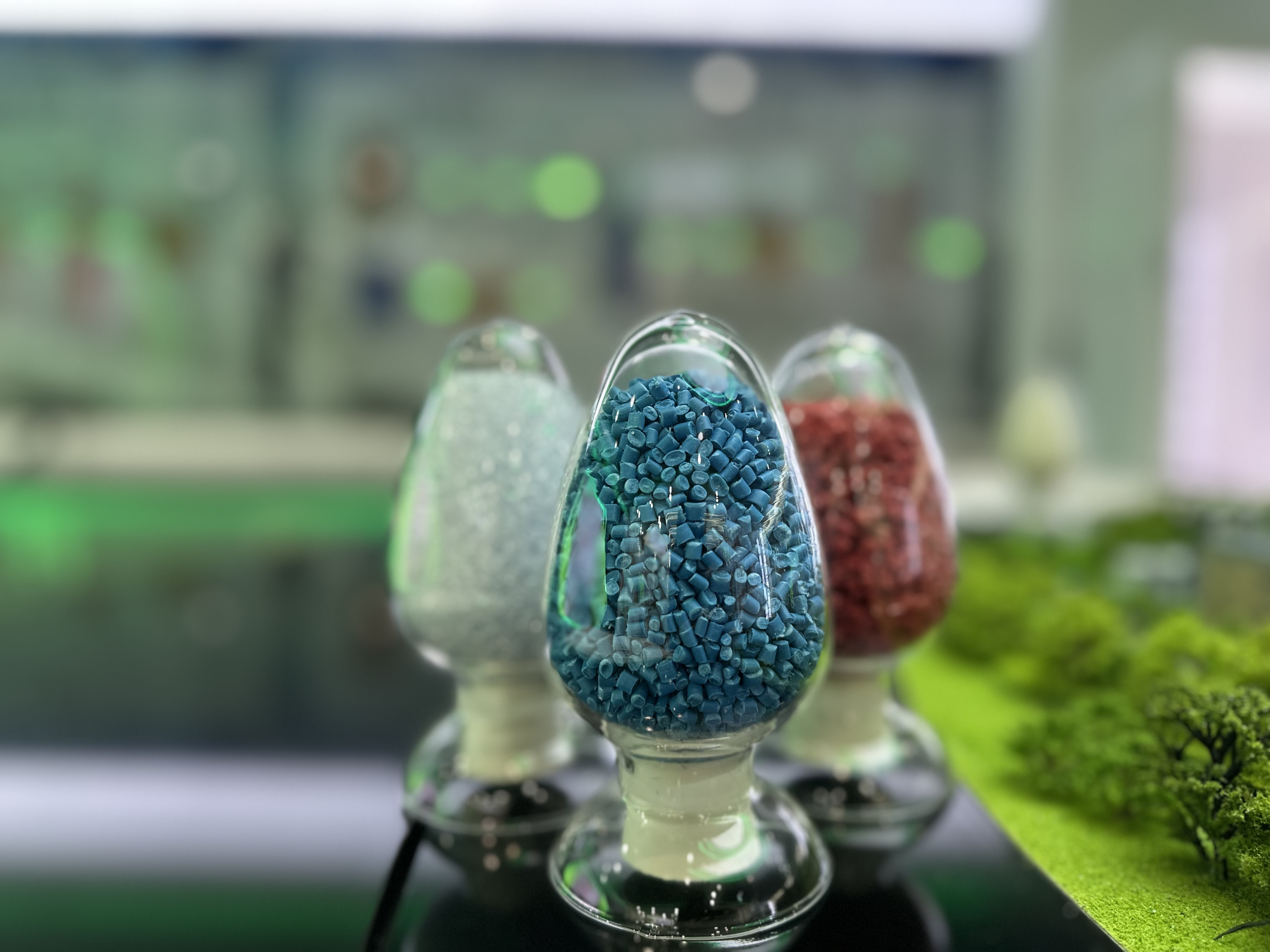
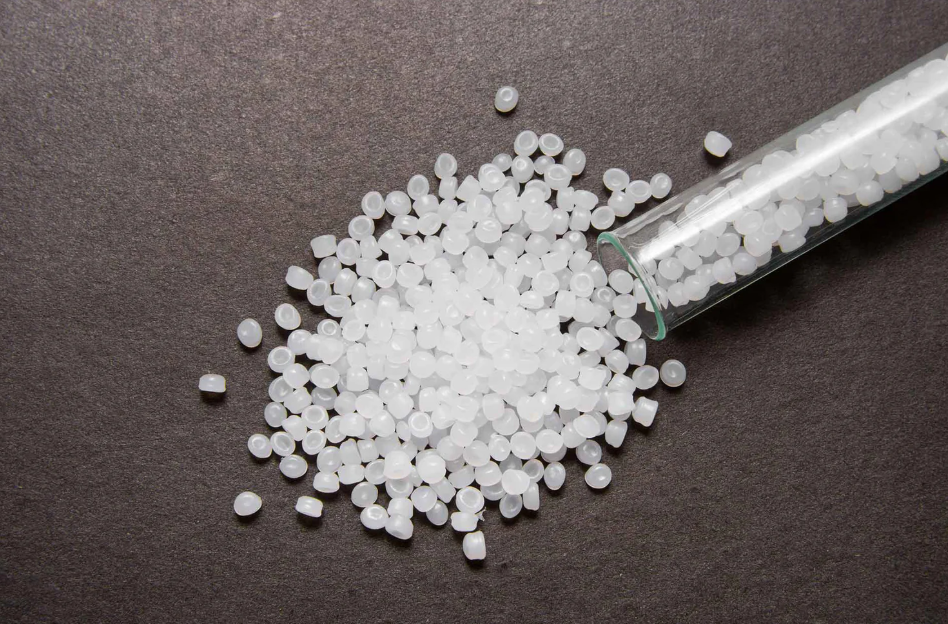
Fatty acid amides are a family of bio-based oleochemical additives widely used as slip agents, lubricants, anti-block agents, dispersants, and processing aids in plastics manufacturing. Derived from vegetable oils such as soybean, palm, rapeseed, and coconut oil, they deliver a combination of processing performance, supply reliability, and environmental credentials that petroleum-based alternatives increasingly struggle to match.
From Field to Factory: How Fatty Acid Amides Are Made
The production of fatty acid amides begins in agriculture, not at an oil refinery.
Vegetable oils are composed primarily of triglycerides, glycerol molecules bonded to fatty acid chains. Through a controlled chemical process called amidation, these fatty acids are separated from the glycerol backbone and reacted with an amine group, creating a new molecule with specialized lubrication and surface-modifying properties.
Depending on the source oil and process conditions, this produces distinct fatty acid amide types, each with different performance characteristics:
- Oleamide — fast-blooming slip agent for PE and PP films
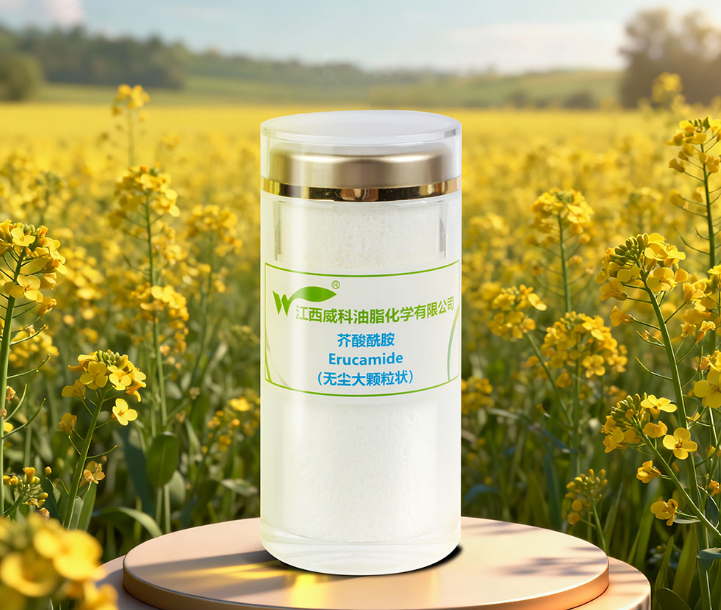
- Erucamide — controlled migration, superior clarity, high thermal stability
- Stearamide — versatile lubricant across rigid and flexible systems
- Behenamide — suited to foamed polyolefins and elastomers
- EBS (Ethylene Bis-Stearamide) — internal/external lubricant and pigment dispersant
All share the same foundation: renewable, plant-derived feedstocks.
Why Bio-Based Polymer Additives Are Gaining Ground
The shift toward bio-based plastic additives is driven by tangible supply chain and regulatory advantages, not sustainability optics alone.
Renewable raw materials reduce dependence on finite fossil resources and allow manufacturers to build more resilient supply chains. As vegetable oil production is geographically distributed across major agricultural economies in Southeast Asia, South America, and Europe, sourcing flexibility is a practical benefit alongside the environmental one.
Lower carbon footprint is another measurable advantage. Because plants absorb CO₂ during growth, the carbon embedded in fatty acid amides originates from the biological cycle rather than fossil reserves. Research on bio-based materials consistently shows significantly lower lifecycle emissions compared to petroleum-derived equivalents, a relevant metric as customers and regulators increasingly request environmental product declarations.
Regulatory alignment is the third driver. As chemical regulations tighten across the EU, China, and ASEAN markets, bio-based oleochemical additives offer improved handling profiles and better positioning against evolving compliance requirements than many conventional petroleum-derived processing aids.
Performance That Stands Alongside Petrochemical Alternatives
Sustainability credentials only matter if the additive performs. Fatty acid amides have earned their place in demanding manufacturing environments on technical merit.
As internal lubricants, they reduce friction between polymer chains during melt processing, improving flow, lowering melt viscosity, enabling smoother extrusion, better mold filling, and reduced energy consumption. As surface-active agents, they migrate to form a microscopic lubricating layer that reduces COF, prevents film blocking, and improves handling across high-speed packaging lines.
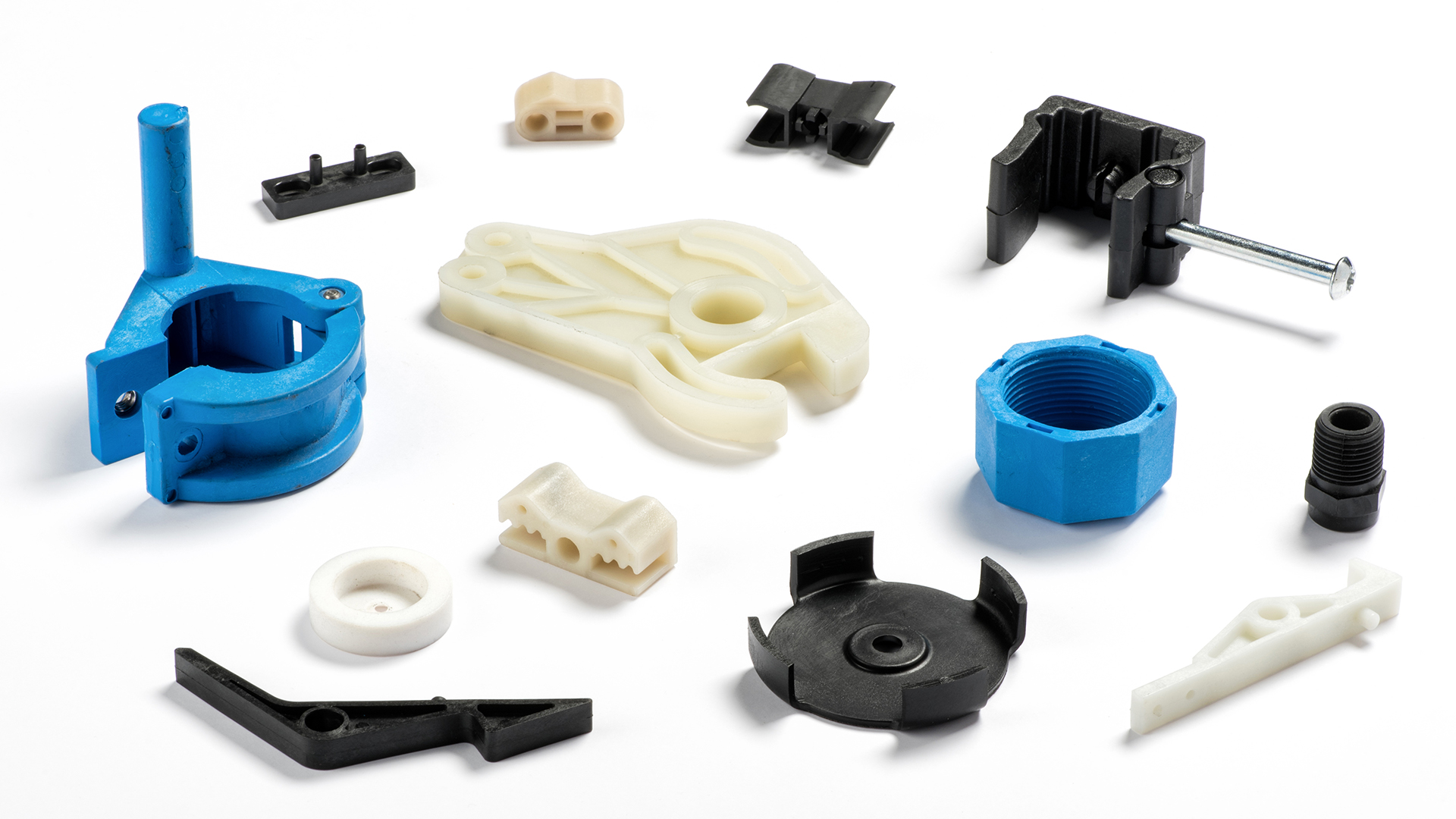
Across packaging films, masterbatches, injection-molded products, and engineering plastics, bio-based fatty acid amides consistently deliver:
- Improved slip and anti-block performance
- Enhanced mold release efficiency
- Better pigment and filler dispersion
- More consistent surface quality across production runs
The Future of Plastic Additives Is Bio-Based
Polymer additives derived from vegetable oils are no longer a niche alternative, they are increasingly the default choice for manufacturers aligning product lines with circular economy principles and tightening regulatory frameworks. Fatty acid amides demonstrate that renewable chemistry and high-performance processing are not a trade-off.
For manufacturers, compounders, and distributors across Southeast Asia and China looking to upgrade their additive supply, Topwellgoal offers high-purity oleamide, erucamide, stearamide, behenamide, and EBS produced from carefully selected vegetable oil feedstocks, backed by technical support for formulation and application development.
Contact Topwellgoal today to request product specifications, samples, or a consultation on integrating bio-based fatty acid amides into your production process.