 Chinese
 Italian
 Spain
Spain French
 German
 Arabic
 Portugese
Why Fatty Acid Amides Are Essential as Internal and External Lubricants in Plastic Production
Efficient plastic manufacturing depends on more than just selecting the right polymer resin. As processing speeds increase and product performance requirements become more demanding, manufacturers are placing greater emphasis on advanced polymer additives that can improve flow behavior, surface quality, and production efficiency simultaneously.
Among the most versatile oleochemical additives used in the plastics industry are fatty acid amides. These additives are highly valued because they provide both internal lubrication and external lubrication within polymer systems, a unique dual-function capability that helps manufacturers optimize processing conditions while improving final product performance.
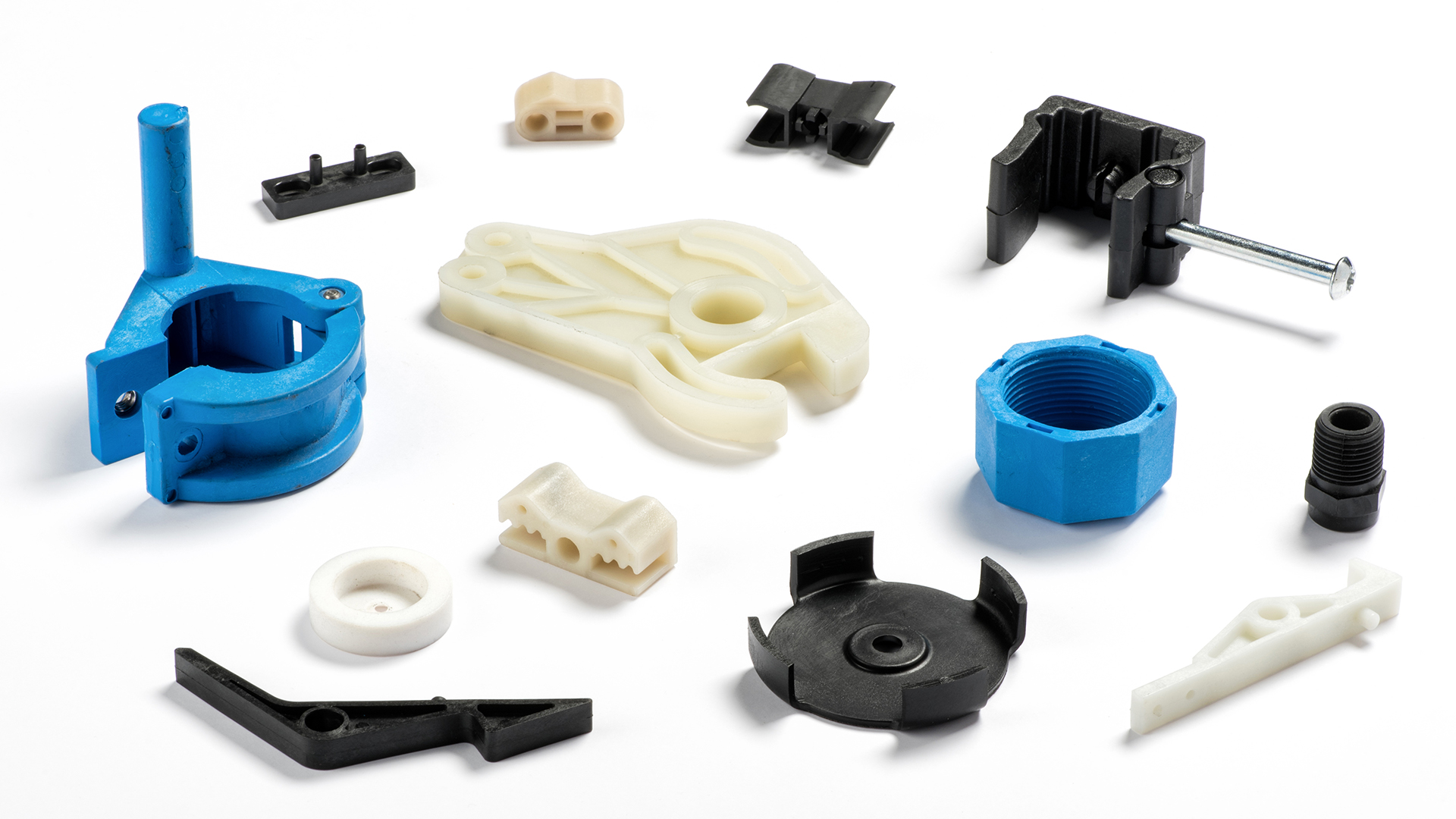
From polyethylene films and polypropylene packaging to engineering plastics and injection molded components, fatty acid amides continue to play a critical role in modern plastic production.
Understanding Internal and External Lubrication
In plastic processing, lubrication functions can generally be divided into two categories: internal lubrication and external lubrication.
Internal lubricants improve the movement of polymer chains inside the molten resin. By reducing internal friction, they help the melt flow more smoothly during extrusion, injection molding, and compounding processes.
External lubricants, on the other hand, migrate toward the polymer surface and create a low-friction barrier between the plastic material and metal processing equipment such as molds, rollers, screws, and dies.
Fatty acid amides are especially valuable because they can perform both functions simultaneously, delivering broader processing and performance advantages compared to single-function additives.
Internal Lubrication Benefits: Improving Melt Flow and Processing Efficiency
Inside the polymer matrix, fatty acid amides act as highly effective internal lubricants by reducing intermolecular friction between polymer chains.
This lubrication effect lowers melt viscosity and improves polymer fluidity, which directly enhances processability during manufacturing.
For processors, improved melt flow offers several important benefits:
- Easier mold filling for complex geometries
- More stable extrusion behavior
- Improved flow uniformity
- Faster production throughput
- Reduced shear stress during processing
In injection molding applications, improved melt flow allows molten resin to fill thin-wall or intricate molds more effectively, reducing defects such as short shots, flow marks, or inconsistent surface finish.
In film extrusion and compounding processes, smoother polymer flow contributes to greater dimensional consistency and more stable processing conditions.
Another major advantage is improved dispersibility.
Fatty acid amides function as dispersants that help evenly distribute pigments, fillers, stabilizers, and other polymer additives throughout the resin system. This ensures better color consistency, improved surface appearance, and reduced additive agglomeration.
Additionally, because the polymer melt flows more efficiently, processors can often reduce processing temperatures or increase line speed, lowering overall energy consumption and improving operational efficiency.
External Lubrication Benefits: Reducing Friction and Preventing Sticking
While part of the additive remains within the polymer matrix, another portion gradually migrates toward the surface due to its limited compatibility with the base polymer.
This migration process creates an ultra-thin lubricating film on the plastic surface that functions as an external lubricant.
The surface layer delivers several highly valuable processing and performance benefits.
Mold Release Performance
One of the most important functions of external lubrication is mold release.
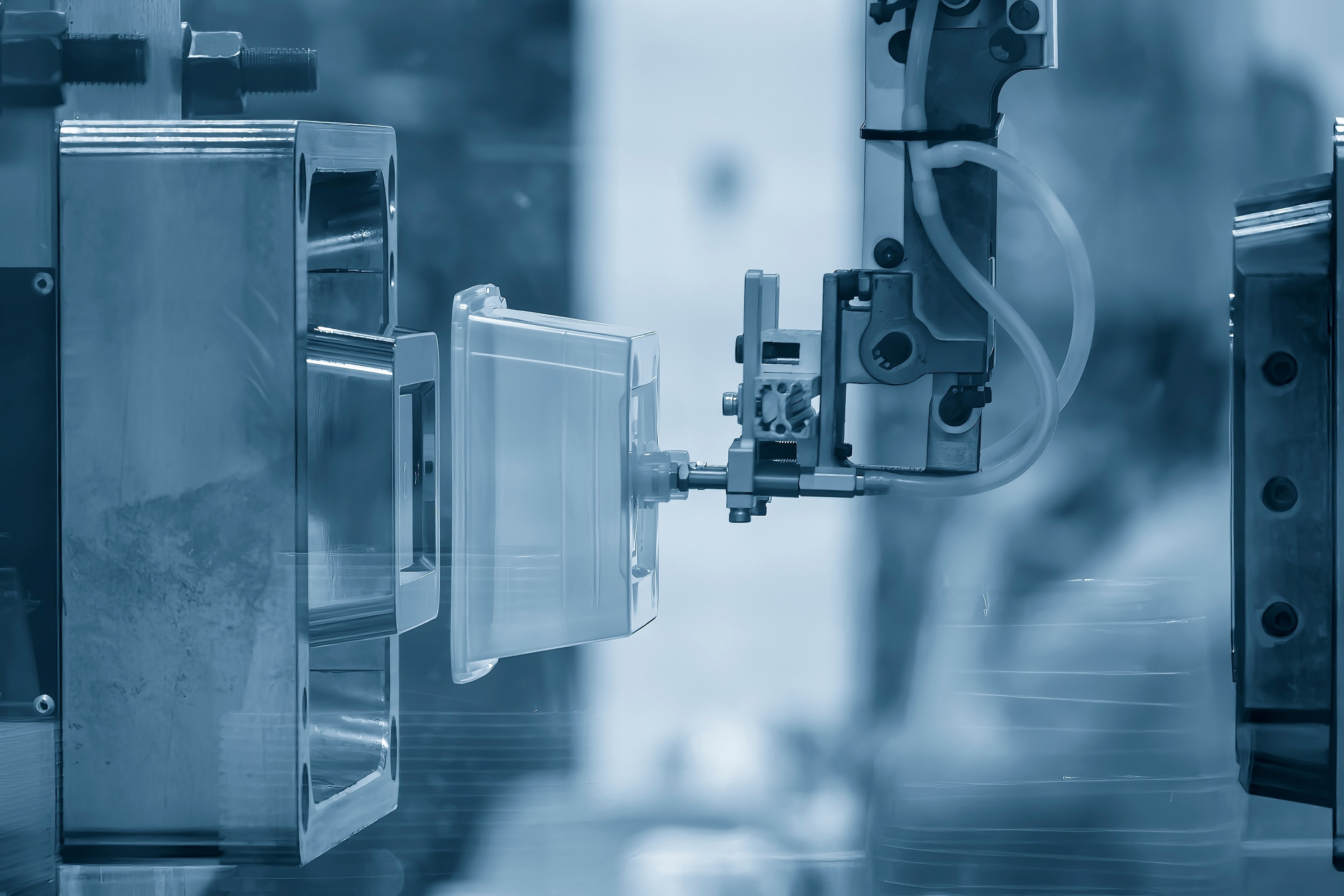
During injection molding, molten plastic naturally tends to adhere to metal mold surfaces. Fatty acid amides create a microscopic release layer between the polymer and the mold, reducing adhesion and allowing parts to eject more easily.
This improves manufacturing efficiency by:
- Shortening cycle times
- Reducing demolding force
- Minimizing part deformation
- Lowering mold wear
- Reducing scrap rates
For high-volume molding operations, these improvements can significantly increase productivity and reduce maintenance costs.
Slip and Anti-Block Properties
In film applications, fatty acid amides function as highly effective slip agents and anti-block additives.
The lubricating surface layer lowers the coefficient of friction (COF), allowing films to glide smoothly across processing equipment and over adjacent film surfaces.
This is especially important in flexible packaging production, where films must unwind easily without sticking together.
Without proper slip and anti-block performance, plastic films can jam, wrinkle, or fuse together during storage and processing.
Scratch and Scuff Resistance
The lubricating surface layer also improves resistance to scratches, scuffs, and abrasion.
This benefit is particularly valuable in automotive interior plastics, consumer products, and high-end packaging materials where surface appearance directly affects product quality perception.
By reducing friction at the surface level, fatty acid amides help maintain smoother and cleaner surfaces during handling and long-term use.
The Growing Importance of Fatty Acid Amides in Modern Plastics Manufacturing
As manufacturing standards continue evolving toward higher efficiency, lower energy consumption, and better product consistency, fatty acid amides remain among the most valuable polymer additives available to the plastics industry.
Their ability to simultaneously improve melt flow, surface lubrication, mold release, slip performance, and scratch resistance makes them indispensable across film extrusion, injection molding, compounding, and masterbatch production.
As a specialized supplier of high-performance oleochemical additives, Topwellgoal provides reliable fatty acid amide solutions including oleamide, erucamide, stearamide, and EBS for global plastic manufacturers. Backed by strong manufacturing capability, technical expertise, and stable quality systems, Topwellgoal continues helping customers improve processing efficiency and product performance across demanding polymer applications.