 Chinese
 Italian
 Spain
Spain French
 German
 Arabic
 Portugese
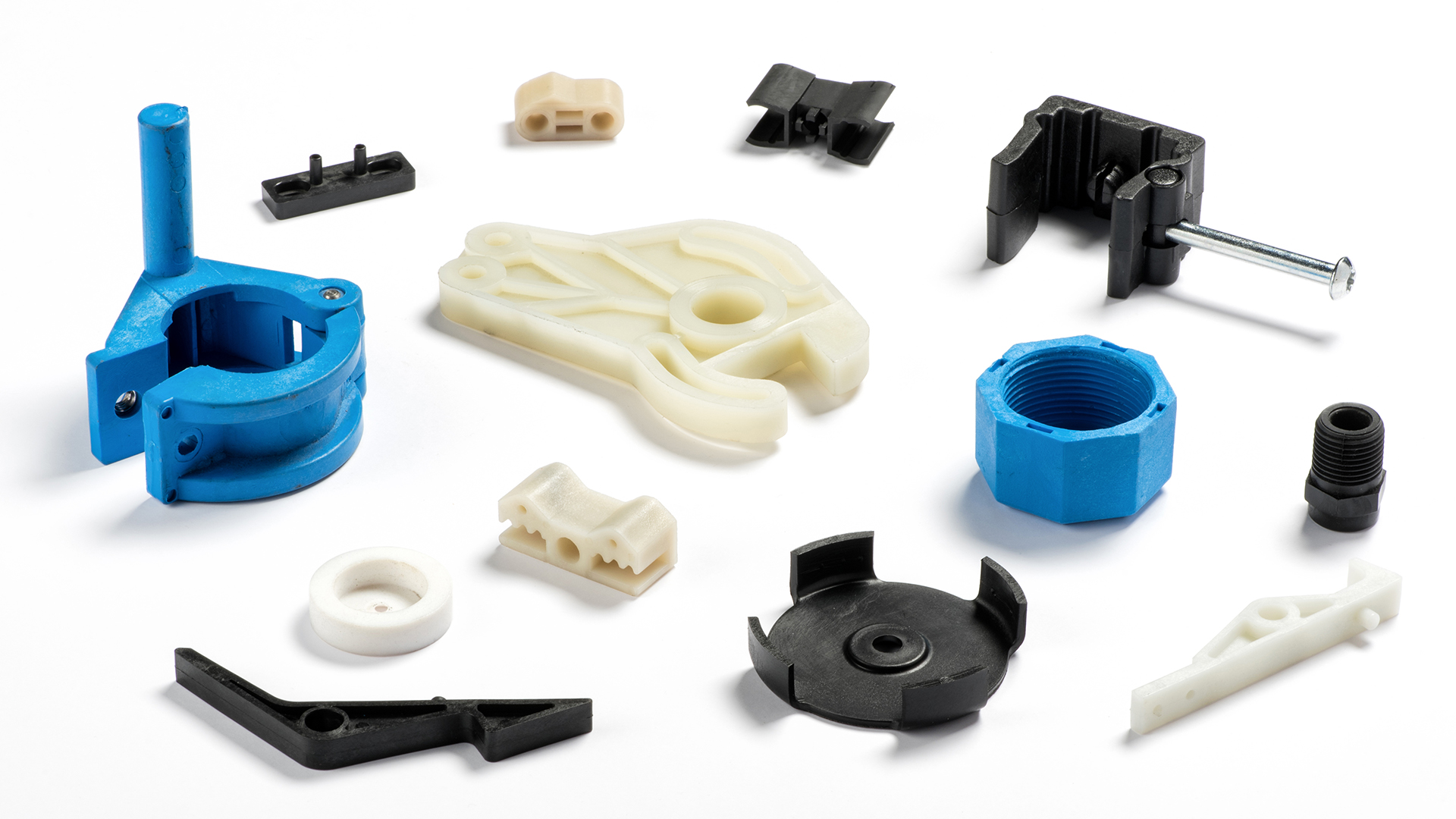
Real-World Applications of Fatty Acid Amides in Modern Manufacturing
Processing efficiency, surface quality, and long-term product performance have become critical priorities across the plastics, packaging, automotive, cable, and hygiene industries. As manufacturers continue optimizing production speed while maintaining stricter quality standards, the role of high-performance oleochemical additives is becoming increasingly important.
Among the most widely used polymer additives are fatty acid amides, a specialized class of oleochemical additives known for their ability to function as slip agents, lubricants, anti-block agents, dispersants, and antistatic additives. These materials help manufacturers improve processing stability, reduce friction, enhance surface properties, and increase overall manufacturing efficiency across a wide range of polymer systems.
The following six real-world case studies highlight how fatty acid amides continue to deliver measurable value in modern industrial applications.
Case Study #1: Improving Film Slip Performance for High-Speed Packaging Lines
Flexible packaging manufacturers operating high-speed film conversion lines often face challenges related to film sticking, tearing, and inconsistent movement across rollers and sealing equipment.
A polyolefin film producer manufacturing polyethylene (PE) packaging films for snack wrappers and food packaging integrated erucamide into its film formulation as a slip agent. Due to its controlled migration behavior, erucamide gradually blooms to the film surface and forms a microscopic lubricating layer.
This significantly reduced the coefficient of friction (COF) of the film, allowing smoother movement during packaging operations. The result was improved line speed, fewer film jams, reduced waste, and more stable packaging performance.
Today, erucamide remains one of the most widely used fatty acid amides in BOPP, CPP, and PE flexible packaging applications due to its excellent thermal stability and long-lasting slip performance.
Case Study #2: Enhancing Soft-Touch Performance in Nonwoven Fabrics
Consumer demand for softer hygiene products continues to rise, particularly in premium diaper backsheet and wet wipe applications. Surface feel and tactile comfort have become important product differentiators in the nonwoven fabric industry.
A spunbond nonwoven producer incorporated a fatty acid amide-based slip additive into polypropylene (PP) formulations to improve fabric softness and reduce surface abrasion.
By carefully optimizing additive dosage and dispersion, the manufacturer achieved a smoother and silkier hand-feel without negatively affecting tensile strength or process stability.
The upgraded material delivered a softer consumer experience while maintaining production efficiency during extrusion and fiber spinning processes. This application demonstrates how fatty acid amides can improve both functionality and perceived product quality in hygiene and personal care materials.
Case Study #3: Increasing Scratch Resistance in Automotive Interior Components
Automotive interior surfaces such as dashboards, instrument panels, and door trims are constantly exposed to friction and physical contact during daily vehicle use. Surface scratches can quickly affect product appearance and perceived quality.
To improve durability, automotive suppliers producing thermoplastic polyolefin (TPO) interior parts introduced erucamide into their formulations as a functional lubricant additive.
The fatty acid amide migrates to the surface and creates a low-friction layer that allows external objects to glide more smoothly across the material instead of digging into the surface.
As a result, the molded components demonstrated significantly improved scratch resistance while maintaining stiffness, impact resistance, and aesthetic appearance. This technology has become increasingly important in electric vehicle interiors, where premium surface quality and long-term durability are major market expectations.
Case Study #4: Reducing Cable Pulling Force in Electrical Wire Installation
Cable installation across long conduit systems often creates high pulling resistance, increasing labor intensity and installation difficulty.
To solve this issue, a major cable manufacturer evaluated several lubrication approaches and ultimately adopted oleamide and erucamide-based additives directly within the polyethylene cable sheath compound.
Unlike external lubricants that can wear off during installation, the internally incorporated fatty acid amide continuously migrates to the cable surface and creates a permanent low-friction interface.
The final solution successfully reduced cable pulling force by approximately 23%, exceeding original engineering targets. The improvement simplified cable installation, reduced mechanical stress during pulling, and lowered the risk of cable surface damage.
This case highlights how polymer additives can provide long-term functional performance improvements far beyond conventional processing benefits.
Case Study #5: Supporting Sustainable PVC Formulations with Bio-Based Fatty Amides
As environmental regulations continue tightening worldwide, manufacturers are actively seeking alternatives to traditional phthalate plasticizers in flexible PVC products.
Researchers developed bio-based tertiary fatty amides as sustainable plasticizer alternatives capable of improving PVC flexibility while reducing migration concerns.
One example involved incorporating N,N-dibutylundecenamide (DBUA), a fatty amide derived from renewable feedstocks, into flexible PVC films.
The resulting material demonstrated strong low-temperature flexibility, improved softness, and excellent migration resistance compared to some traditional plasticizer systems. Additionally, the bio-based additive showed promising biodegradability characteristics, supporting the industry's transition toward greener and safer materials.
This case illustrates the growing role of oleochemical additives in sustainable polymer development and environmentally responsible manufacturing strategies.
Case Study #6: Eliminating Static Build-Up in Electronics Packaging
Electrostatic discharge (ESD) can severely damage sensitive electronic components during packaging, transportation, and storage.
To address this challenge, manufacturers investigated ethoxylated fatty acid amides as antistatic additives for linear low-density polyethylene (LLDPE) packaging films used in electronics applications.
The fatty acid amide-based antistatic system enabled the packaging material to rapidly dissipate surface charge while avoiding the corrosion risks associated with certain amine-based technologies.
The resulting film provided stable antistatic performance even under relatively low-humidity conditions, helping protect integrated circuits and sensitive electronic components from ESD damage during handling and transportation.
Fatty Acid Amides Continue Driving Modern Manufacturing Innovation
From flexible packaging and automotive interiors to cables, hygiene materials, electronics, and sustainable plastics, fatty acid amides continue to demonstrate exceptional versatility across modern manufacturing industries.
Their ability to function as slip agents, lubricants, dispersants, anti-block agents, and antistatic additives makes them indispensable polymer additives for manufacturers seeking higher productivity, improved surface quality, and long-term product reliability.
As a specialized manufacturer of high-performance oleochemical additives, Topwellgoal continues supporting global manufacturers with advanced fatty acid amide solutions including erucamide, oleamide, stearamide, behenamide, and EBS. With strong manufacturing capability, technical expertise, and stable product quality, Topwellgoal is committed to helping customers optimize formulations and improve processing efficiency across demanding industrial applications.
Manufacturers and distributors across Southeast Asia, Europe, the Middle East, and beyond are welcome to partner with Topwellgoal to explore customized additive solutions for next-generation polymer materials.