 Chinese
 Italian
 Spain
Spain French
 German
 Arabic
 Portugese
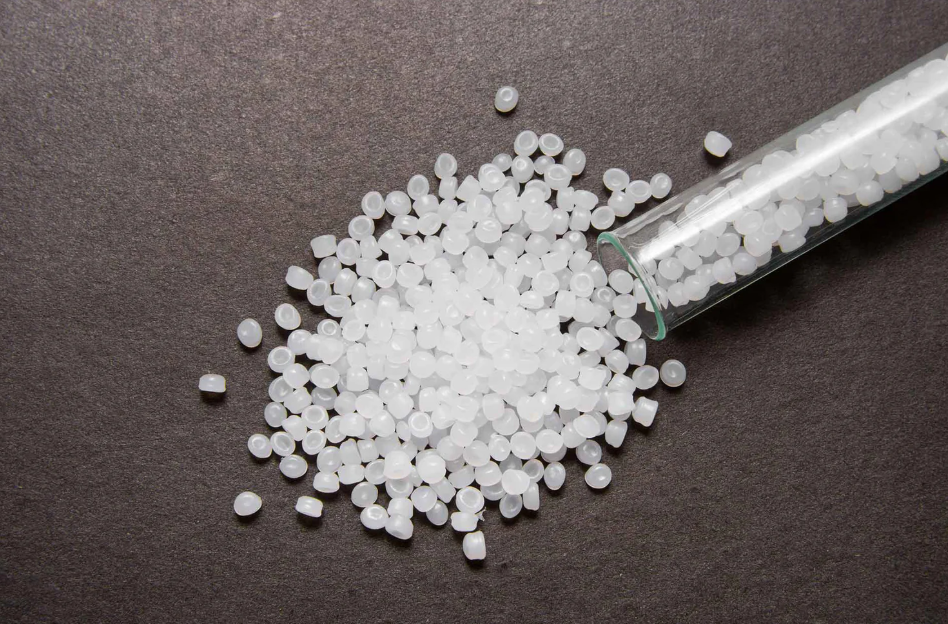
Applications of Stearamide in the Plastic Industry
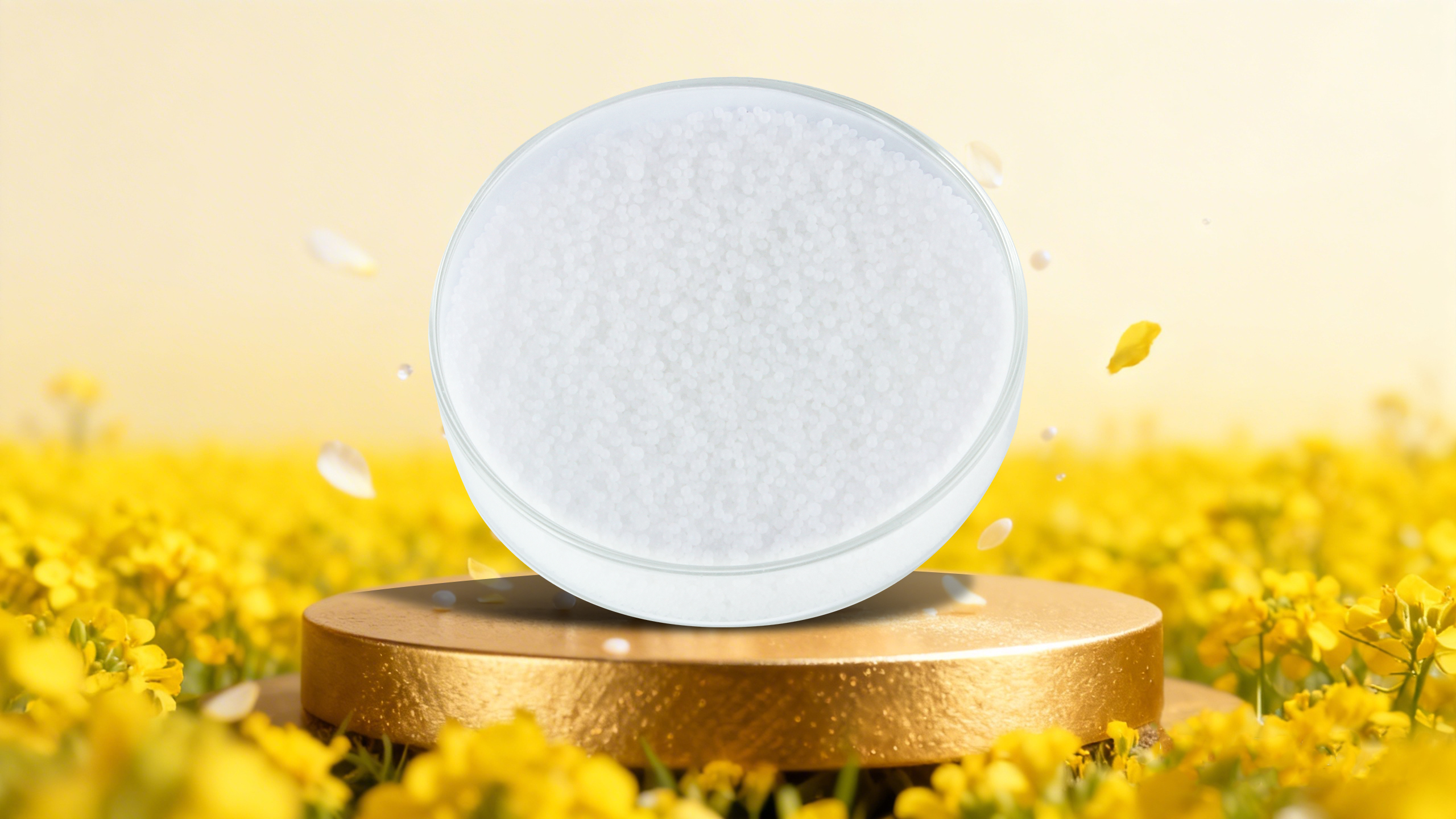
Stearamide is a highly effective oleochemical additive widely used in the plastic industry as a processing aid and performance enhancer. Known for its excellent lubricating and anti-blocking properties, stearamide plays a key role in improving manufacturing efficiency and the final quality of plastic products. Alongside Ethylene Bis Stearamide (EBS), it is part of a broader family of amide-based additives that are essential in modern polymer processing.
At Topwellgoal, stearamide is recognized as a reliable solution for manufacturers seeking improved surface performance, smoother processing, and enhanced end-use properties across a wide range of plastic applications.
What is Stearamide and Why is it Important?
Stearamide is a long-chain fatty acid amide derived from stearic acid. In plastic processing, it functions primarily as a slip agent, lubricant, and anti-blocking additive. When incorporated into polymer formulations, it migrates to the surface of the material, forming a thin lubricating layer that reduces friction and prevents adhesion between plastic surfaces.
This mechanism is especially important in high-speed production environments where films, sheets, or molded parts can easily stick together or experience surface defects.
While stearamide is highly effective in general applications such as thin films, Ethylene Bis Stearamide (EBS) is often preferred for more demanding conditions, including engineering plastics, high-temperature processing, and masterbatch production. Together, these additives provide flexible solutions across different processing requirements.
Range of Compatible Plastic Materials
One of the key advantages of stearamide is its broad compatibility with various types of polymers. It is widely used across multiple plastic families, including:
- Polyolefins: Polyethylene (PE) and Polypropylene (PP)
- Styrenics: Polystyrene (PS) and ABS
- Engineering Plastics: Polycarbonate (PC), Polyamide (PA/Nylon), and Polyoxymethylene (POM)
- PVC (Polyvinyl Chloride)
- Thermoset plastics and selected bioplastics
This versatility makes stearamide a standard additive in both commodity plastics and high-performance engineering materials.
Key Applications in the Plastic Industry
Stearamide is used in a wide range of plastic products due to its ability to enhance processing efficiency and improve surface quality. Some of the most common application areas include:
1. Film and Packaging Industry
In plastic films such as food packaging, agricultural films, shrink wraps, and plastic bags, stearamide acts as a powerful anti-blocking agent. It prevents layers of film from sticking together, ensuring smooth unwinding and easy handling during packaging and conversion processes.
2. Industrial and Consumer Goods
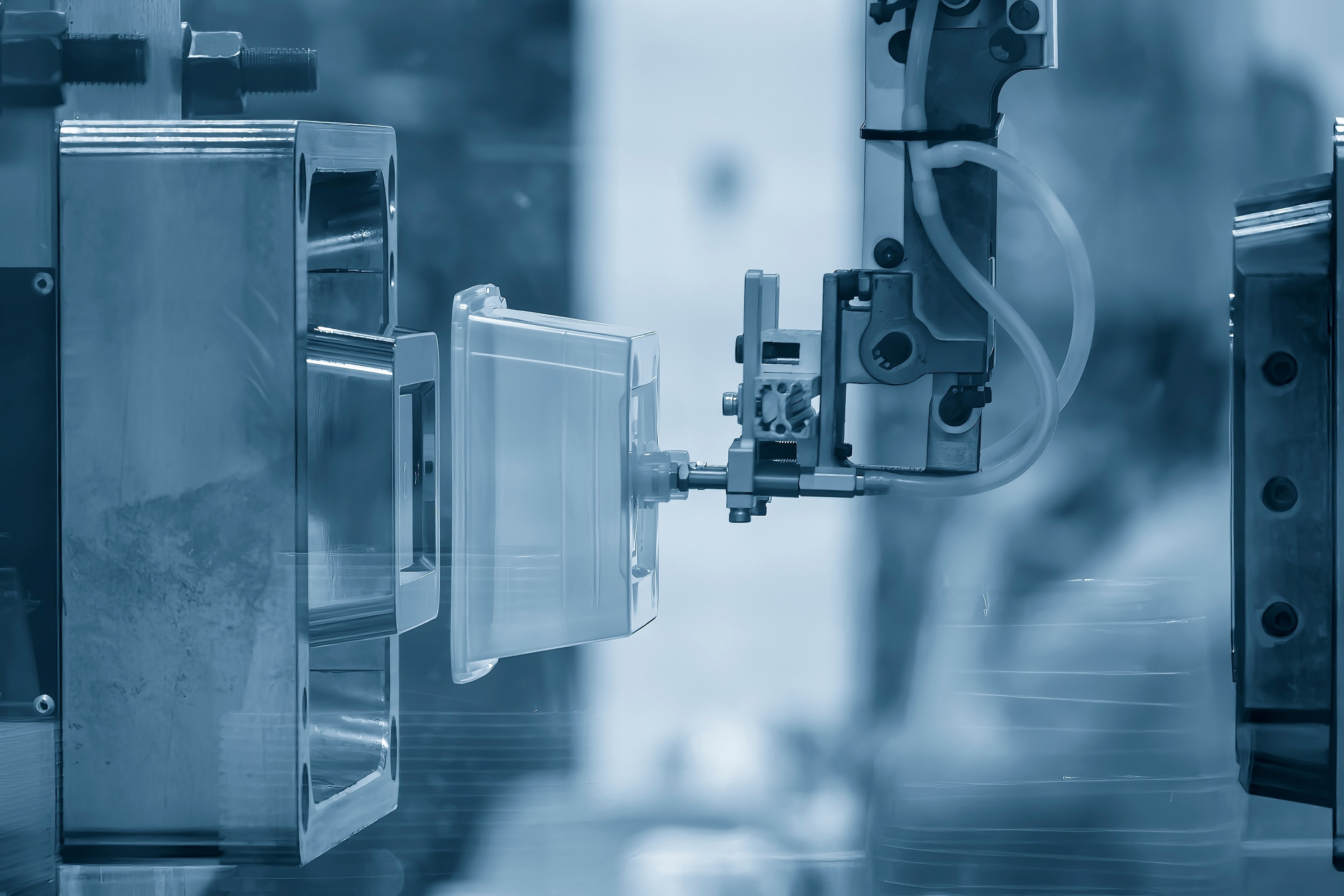
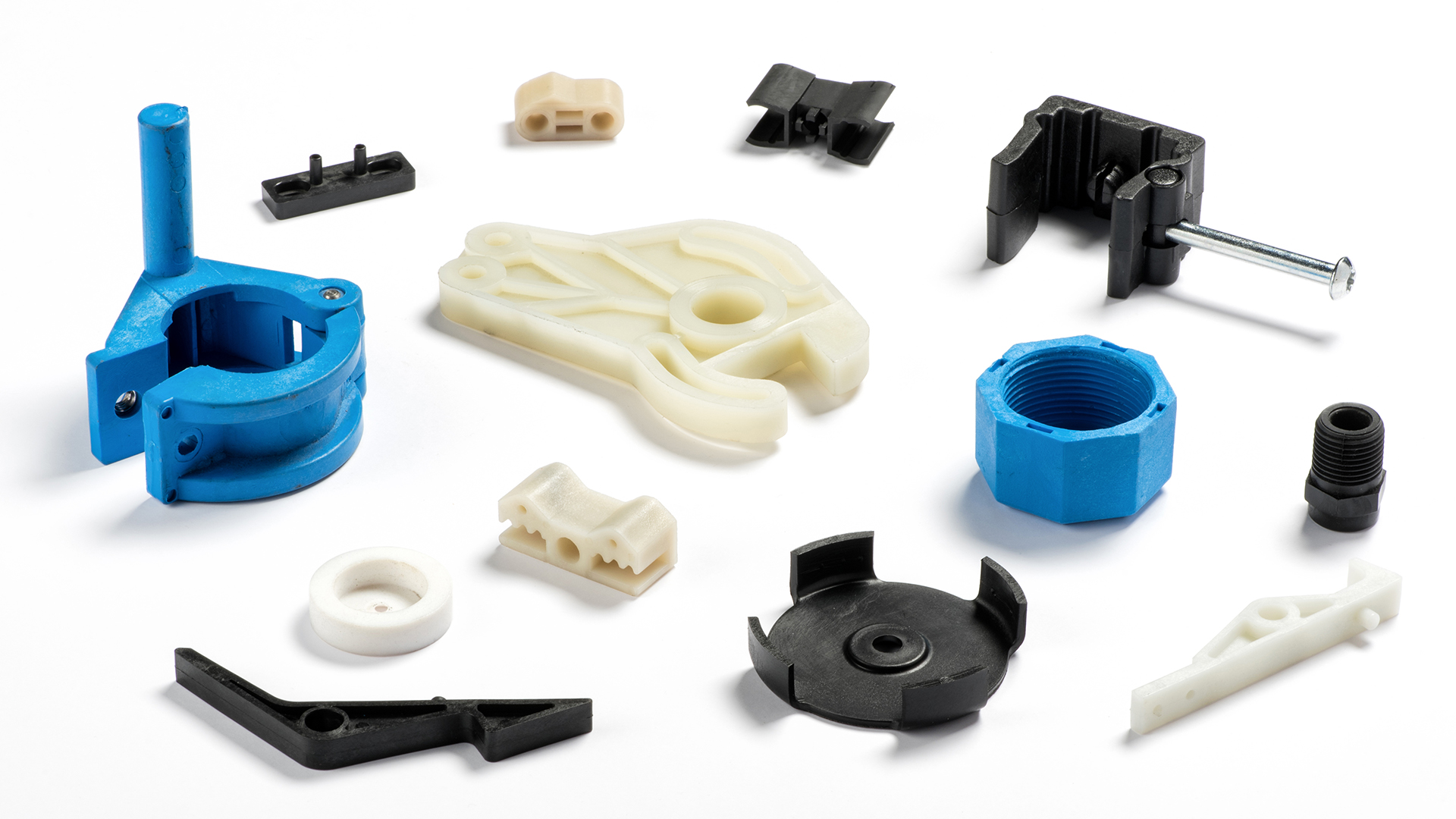
Stearamide is widely used in household appliances, toys, power tools, and general consumer goods. It improves mold release during injection molding, reduces surface friction, and enhances the overall appearance of finished products.
3. Automotive Components
In automotive applications, stearamide contributes to better processing of interior and exterior plastic parts. It helps achieve smooth surfaces, reduces wear during production, and improves the tactile feel of components such as trims, handles, and panels.
4. Building and Construction Materials
Plastic pipes, fittings, window profiles, and siding materials benefit from stearamide’s lubricating properties. It supports stable extrusion processes and enhances the durability and surface finish of construction-grade plastics.
Performance Benefits of Stearamide in Plastics
The use of stearamide in plastic formulations delivers multiple performance advantages that directly impact both manufacturing efficiency and product quality:
Enhanced Surface Appearance
Stearamide improves surface gloss and provides a smooth, uniform finish. This is especially important for visible consumer products where aesthetics play a critical role.
Improved Haptic Properties
It imparts a soft, slippery, or silky touch to plastic surfaces. This improved tactile feel is highly desirable in products such as bottle caps, closures, packaging films, and handheld devices.
Better Processing Efficiency
By reducing friction between polymer chains and processing equipment, stearamide helps lower energy consumption, improve extrusion flow, and reduce wear on machinery.
Superior Protection and Stability
Stearamide contributes to improved resistance against heat and environmental stress. This helps extend the service life of plastic products, particularly those exposed to outdoor or high-temperature conditions.
Stearamide vs. EBS in Plastic Applications
While stearamide is ideal for general-purpose applications, Ethylene Bis Stearamide (EBS) offers enhanced thermal stability and stronger internal lubrication. EBS is commonly used in masterbatches, engineering plastics, and applications requiring higher processing temperatures or longer-lasting performance.
Together, stearamide and EBS form a complementary system that allows manufacturers to tailor plastic properties according to specific production needs.
Conclusion
Stearamide is an essential additive in the plastic industry, offering significant improvements in processing efficiency, surface quality, and end-product performance. Its compatibility with a wide range of polymers and versatility across multiple applications make it a key material for modern plastic manufacturing.
At Topwellgoal, we provide high-quality stearamide solutions designed to meet the evolving demands of the global plastics industry, helping manufacturers achieve better performance, higher efficiency, and superior product quality.