 Chinese
 Italian
 Spain
Spain French
 German
 Arabic
 Portugese
Improve Bubble Wrap Quality Instantly with Plant-Based Oleochemical Slip Agents
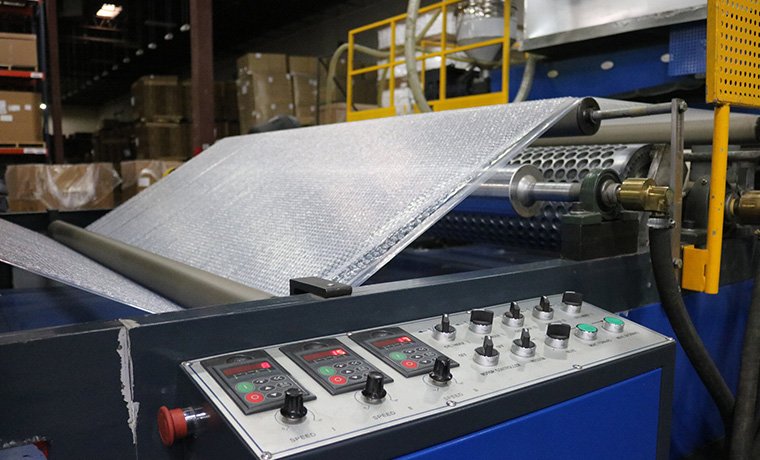
Bubble wrap remains one of the most essential and widely used protective packaging materials in global logistics, e-commerce, electronics, home goods, and industrial shipping. As demand for reliable, lightweight, and cost-effective cushioning materials continues to rise, manufacturers are increasingly looking for ways to improve film performance, reduce production defects, and ensure smooth processing on high-speed extrusion lines. One of the most efficient and scientifically proven solutions lies in the use of oleochemical-based slip agents, especially fatty acid amides.
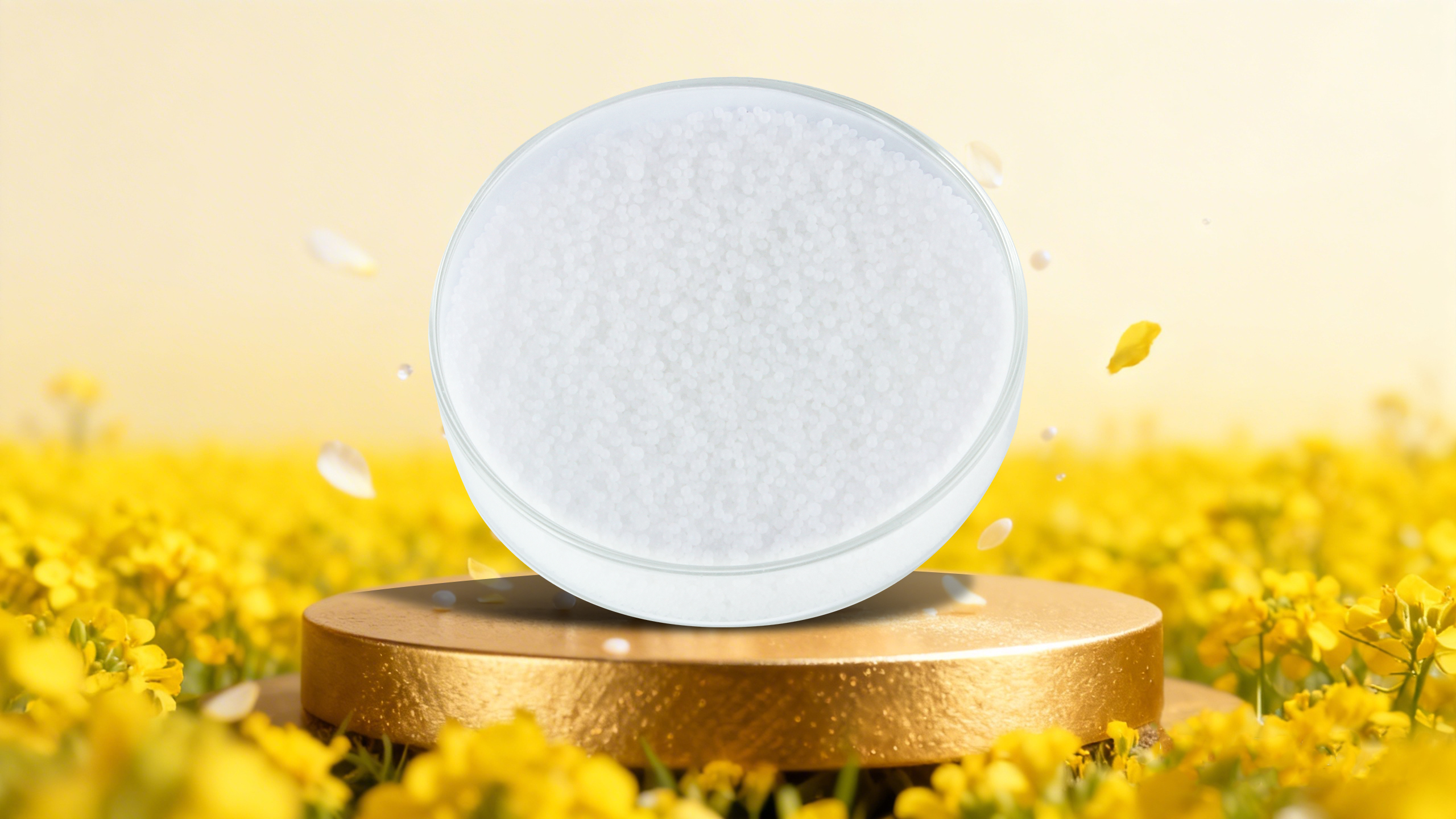
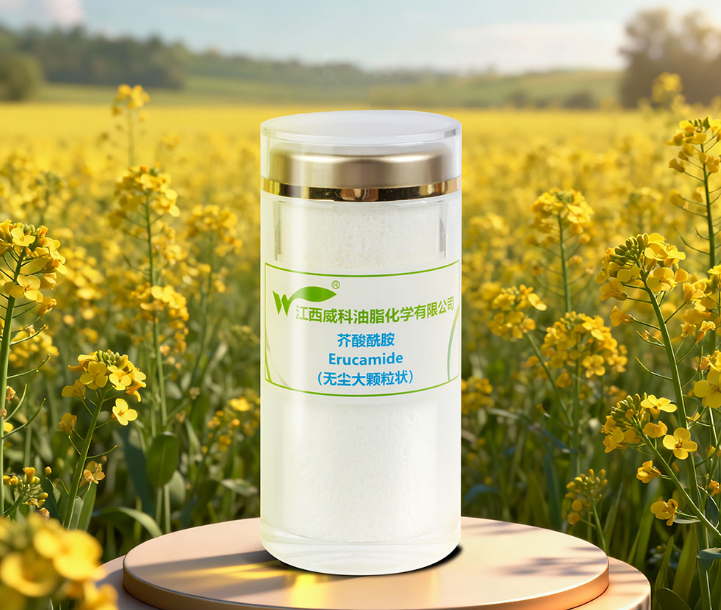
These plant-based additives, such as oleamide, erucamide, EBS (ethylene bis-stearamide), and stearamide, play a critical role in optimizing bubble wrap production. They enhance slip, reduce sticking between layers, support faster unwinding, and ensure long-term product stability during storage and transportation. As an experienced supplier of oleochemical additives, Topwellgoal continues to help manufacturers upgrade their production lines and achieve better bubble wrap performance with consistent, cost-effective results.
How Fatty Acid Amides Work in Bubble Wrap Film Production
Bubble wrap is typically produced using LDPE or LLDPE film. These materials naturally exhibit surface tackiness, especially during and after extrusion. Without modification, this tackiness can lead to severe issues such as blocking, difficult unwinding, film tearing, and reduced cushioning performance.
Fatty acid amides solve these problems through their unique molecular structure. Each amide contains:
- A long non-polar hydrocarbon chain that blends well with polyethylene
- A polar amide group that drives migration toward the film surface
During bubble wrap film extrusion, heat activates the migration, or “blooming,” of these additives. As they reach the surface, they create a thin, wax-like lubricating layer that significantly reduces surface friction. This lubricating effect ensures that film layers remain cleanly separated, easier to unwind, and more stable during storage.
Incorporation is simple and cost-efficient:
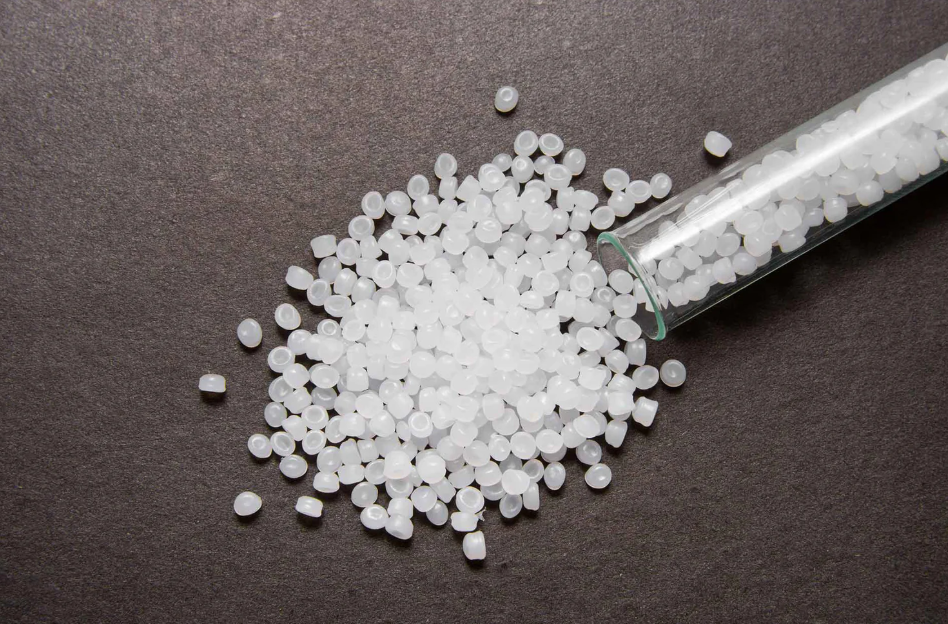
- Form: Supplied as powders, beads, or granules
- Mixing: Typically introduced during the masterbatch compounding process
- Dosage: Usually 0.1%–2% depending on required slip level
- Processing: Mixed with polymer pellets and processed using standard extrusion lines
The blooming effect is gradual and self-regulating, providing consistent slip throughout production and storage.
Comparing Oleamide, Erucamide, EBS, and Stearamide
Each fatty acid amide serves specific performance needs:
Oleamide
A fast-blooming slip agent ideal for LDPE/LLDPE bubble wrap films where immediate slip is required. Excellent for general-purpose packaging and films that need quick lubrication soon after extrusion.
Erucamide
A slower-blooming but more stable and heat-resistant option than oleamide. It is widely used in high-speed packaging, films requiring long-lasting slip, and productions operating at higher temperatures.
EBS (Ethylene Bis-Stearamide)
A multifunctional internal lubricant that improves resin flow, mold release, and extrusion efficiency. EBS is often used as a processing aid alongside primary slip agents.
Stearamide
A slip and anti-block agent that also works as a foaming aid in certain processes. It is especially useful when film clarity and clean layer separation are required.
Key Considerations During Use
Using fatty acid amides effectively requires proper formulation and testing. Manufacturers should consider:
- Regulatory compliance for food-contact materials
- Thermal stability at different processing temperatures
- Polymer compatibility with LDPE, LLDPE, or film blends
- Optimal dosing to maintain slip without affecting clarity or bubble integrity
Choosing the right additive ensures consistent performance throughout production and subsequent storage.
How Performance Is Measured in Production
Industrial bubble wrap manufacturers typically evaluate slip and anti-block performance using standardized testing:
Coefficient of Friction (COF)
The most important metric for slip performance. A lower COF (often <0.2) indicates smooth handling, easy unwinding, and reduced sticking.
Blocking Force
Measures adhesion between stacked film layers. Effective anti-block additives greatly reduce this value.
Optical Clarity (Haze)
Monitored when producing transparent bubble wrap. High-quality amides such as erucamide maintain clarity without clouding the film.
How Oleochemicals Improve the Bubble Wrap Product Itself
Slip agents do more than optimize the production line, they directly improve the usability, durability, and reliability of the finished bubble wrap. Their benefits include:
1. Preserving Cushioning Performance
Without slip agents, bubble layers may stick together and flatten under pressure during storage. Fatty acid amides prevent sticking so every bubble maintains its shape and protective cushioning ability.
2. Smoother Handling and Faster Packing
Non-slip surfaces allow bubble wrap to unwind easily and wrap around items smoothly. This improves efficiency for logistics companies, packaging centers, and end users.
3. Preventing Storage Failures
Blocking can fuse the layers together, leading to damaged rolls and customer complaints. Slip agents keep the film functional even after months of warehouse storage.
4. Maintaining Film Clarity
High-quality amides improve slip while minimizing haze, ensuring bubble wrap remains transparent when required.
These improvements are essential for producing bubble wrap that performs reliably from extrusion to final use.
Manufacturers & Distributors Welcome
Topwellgoal is a trusted global supplier of high-quality oleochemicals tailored for plastics, rubber, and advanced packaging materials. Our fatty acid amides, including oleamide, erucamide, EBS, and stearamide, are engineered for consistent slip performance, enhanced processing efficiency, and long-lasting film stability.