 Chinese
 Italian
 Spain
Spain French
 German
 Arabic
 Portugese
How Fatty Acid Amides Are Used in Plastics: Improving Processing and Performance
Additives are essential components in modern plastics manufacturing, helping improve processing efficiency and enhance the performance of finished products. Among the most widely used are fatty acid amides, a class of oleochemical additives valued for their ability to modify surface properties, reduce friction, and optimize polymer processing.
Fatty acid amides such as oleamide, erucamide, stearamide, and EBS are commonly incorporated into polymer formulations used in packaging films, molded parts, fibers, and engineering plastics. These additives provide essential benefits both during the manufacturing process and throughout the product’s lifecycle.
As a manufacturer specializing in plant-based oleochemical additives, Topwellgoal supplies high-performance fatty acid amide solutions designed to meet the evolving needs of global plastics manufacturers. This article explores how fatty acid amides work in plastics, their key functions, and why they remain indispensable in modern polymer production.
What Are Fatty Acid Amides?
Fatty acid amides are organic compounds derived from fatty acids, typically produced from renewable vegetable oils. Their chemical structure allows them to interact with polymer matrices while maintaining limited compatibility with the plastic itself.
This unique property enables fatty acid amides to gradually migrate to the surface of a polymer after processing. Once at the surface, they form a microscopic lubricating layer that modifies key properties such as friction, adhesion, and surface smoothness.
Because of this mechanism, fatty acid amides serve two primary roles in plastics:
- Processing aids during polymer production
- Performance enhancers in finished plastic products
These functions make fatty acid amides essential additives for manufacturers seeking improved efficiency and consistent product performance.
Key Functions of Fatty Acid Amides in Plastics
Fatty acid amides are incorporated into plastic resins through compounding or extrusion processes, where they perform several important functions.
Slip Agents for Plastic Films
One of the most common uses of fatty acid amides is as slip agents. These additives reduce the coefficient of friction (COF) on plastic surfaces, allowing films and molded parts to slide more easily over one another or across processing equipment.
Oleamide and erucamide are particularly effective slip agents for polyethylene (PE) and polypropylene (PP) films used in packaging, bags, and liners. By lowering friction, they improve film handling, facilitate high-speed packaging operations, and enhance overall production efficiency.
Anti-Block Agents for Flexible Packaging
Plastic films often have a tendency to stick together, a phenomenon known as blocking. Blocking can create problems during film unwinding and packaging operations, especially in thin films used for food packaging or agricultural applications.
Fatty acid amides help prevent blocking by forming a lubricating layer on the film surface. Additives such as erucamide, oleamide, and stearamide reduce surface adhesion between layers, ensuring that film rolls unwind smoothly and packaging materials open easily.
This performance benefit is particularly important in high-volume packaging environments where efficiency and reliability are essential.
Mold Release Agents in Injection Molding
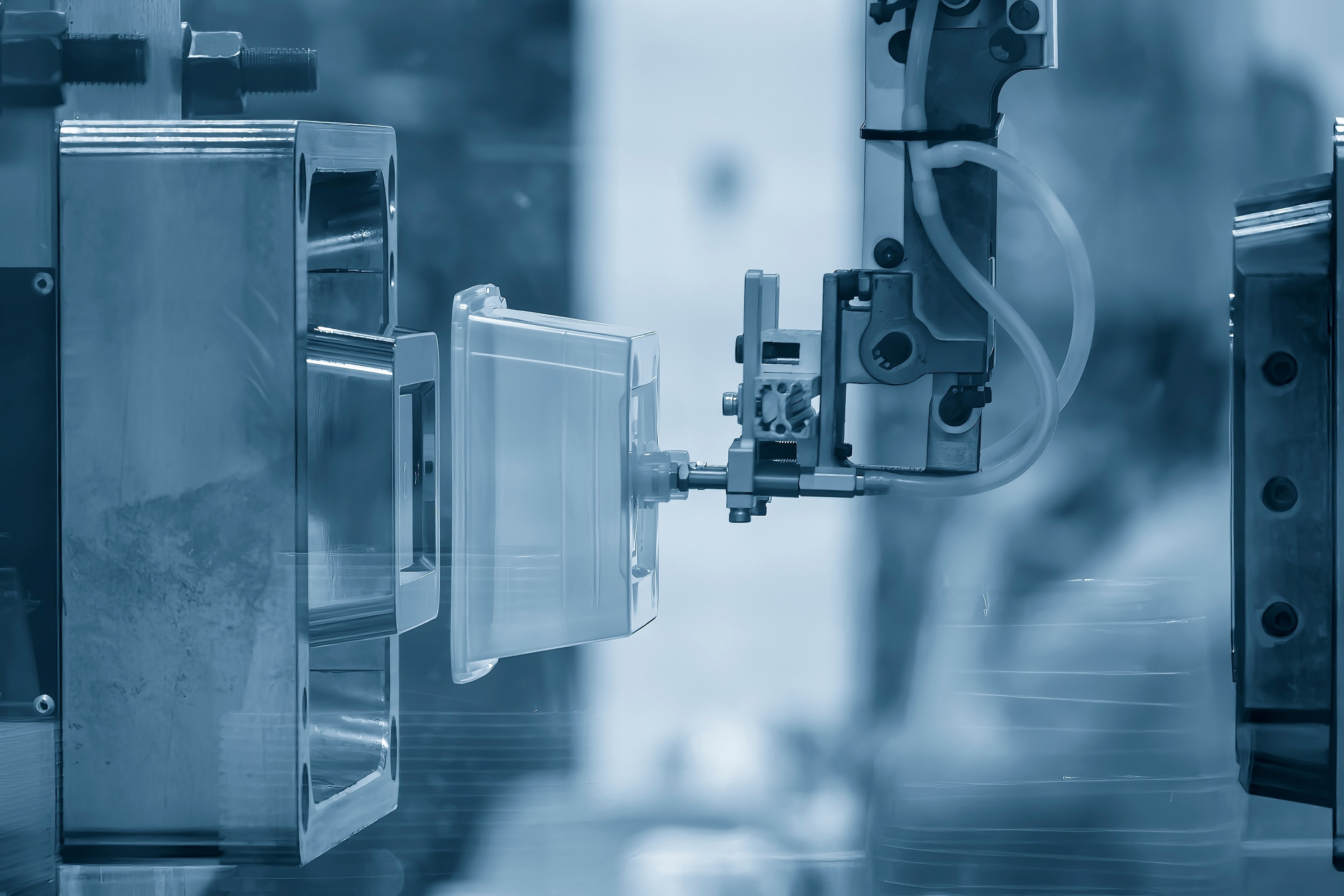
Fatty acid amides also function as internal mold release agents during injection molding processes. By migrating to the polymer surface during molding, these additives create a thin lubricating interface between the molded part and the mold cavity.
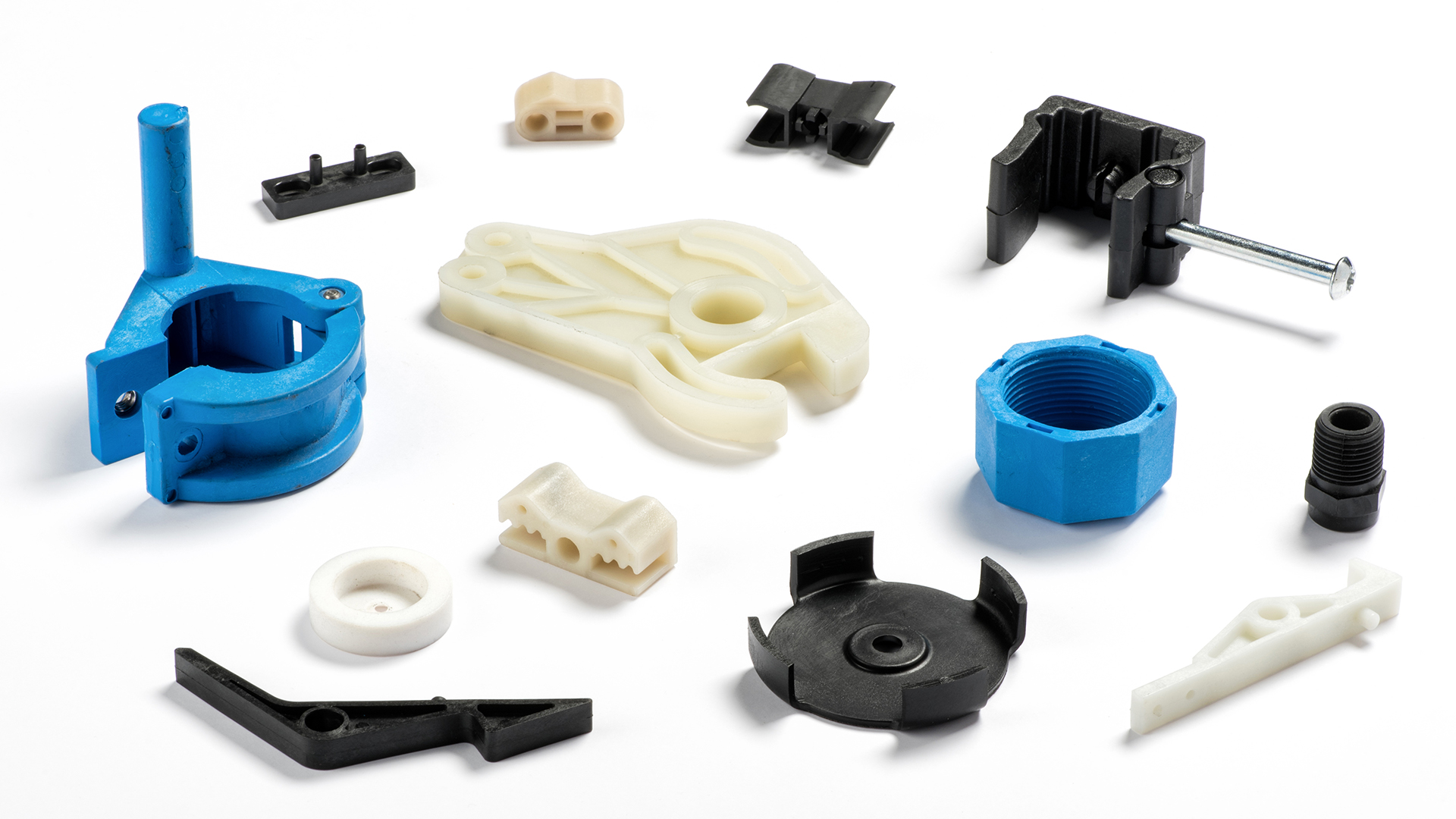
This reduces the force required to eject the part from the mold, preventing damage and improving surface finish. Additives such as stearamide, behenamide, and EBS are widely used in injection-molded products including bottle caps, closures, consumer goods, and automotive components.
Improved mold release also leads to shorter cycle times and reduced manufacturing costs.
Internal Lubricants for Polymer Processing
During polymer processing, friction between polymer chains can affect melt flow behavior and processing efficiency. Fatty acid amides act as internal lubricants, reducing internal friction and improving the flow of molten polymers.
This effect enhances extrusion and injection molding performance, allowing manufacturers to achieve smoother processing, reduced energy consumption, and more consistent product quality.
Additives such as EBS and stearamide are commonly used in engineering plastics and complex molded parts where precise flow characteristics are required.
How Fatty Acid Amides Are Incorporated into Plastics
Fatty acid amides can be introduced into polymer formulations through several standard methods used in the plastics industry.
One common approach is direct compounding, where the additive is mixed directly with the polymer resin during extrusion or compounding processes.
Another widely used method is through masterbatches. In this approach, fatty acid amides are pre-blended into a carrier resin at high concentration. Manufacturers then dilute the masterbatch with base polymer during final processing, allowing for precise dosage and easier handling.
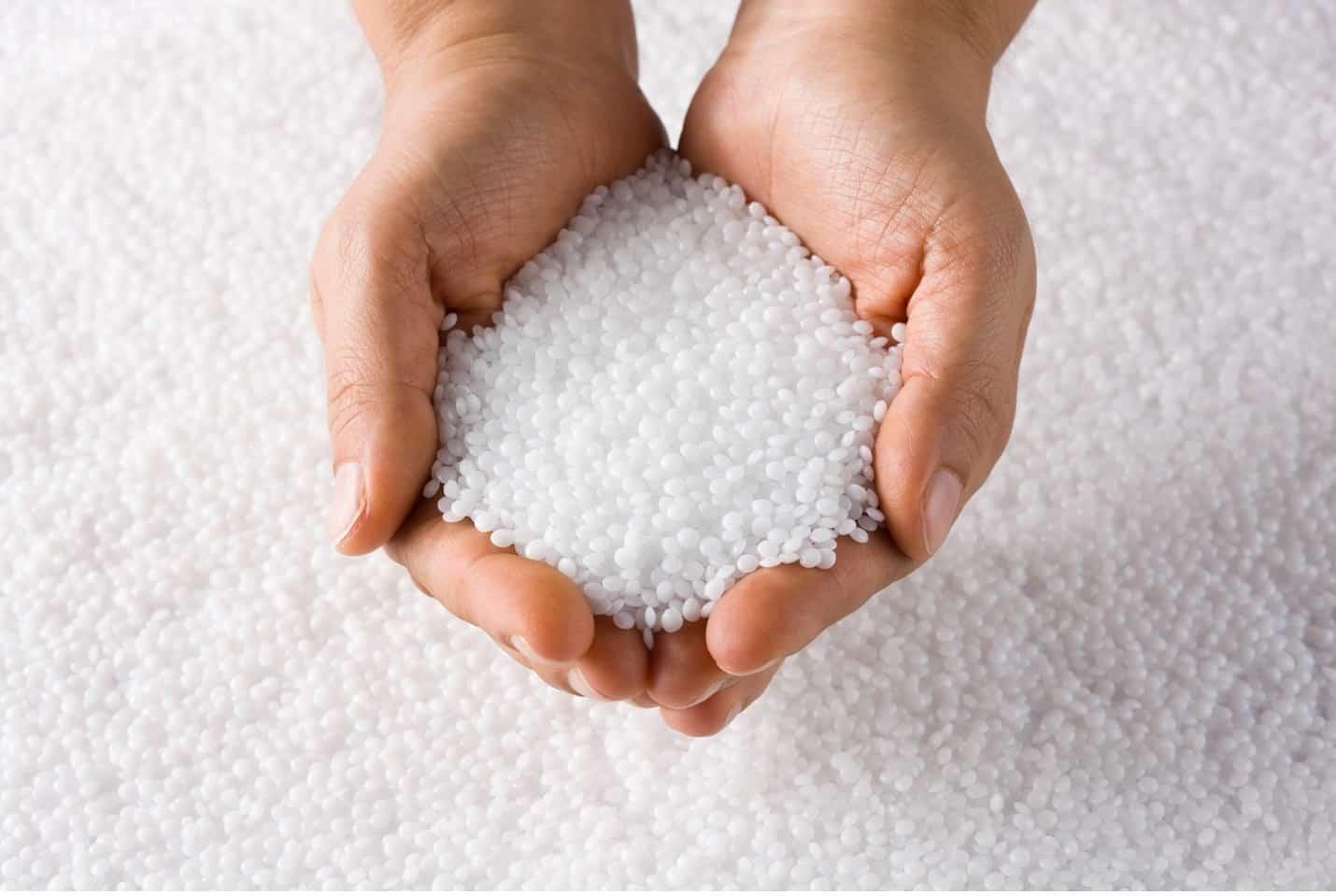
During extrusion or injection molding, the amide particles melt and blend with the molten polymer through a process known as melt blending.
The Migration Mechanism: How Fatty Acid Amides Work
The effectiveness of fatty acid amides in plastics relies on a phenomenon known as migration or blooming.
After the plastic product is formed, fatty acid amide molecules slowly migrate from the interior of the polymer matrix toward the surface. This occurs because the additive has limited compatibility with the polymer structure.
Once at the surface, the molecules form an ultra-thin lubricating layer that reduces friction and modifies surface behavior.
The speed of this migration depends on the type of amide used. For example:
- Oleamide migrates relatively quickly, providing rapid slip performance.
- Erucamide migrates more slowly, offering longer-lasting slip effects and improved stability in high-temperature processing environments.
By selecting the appropriate amide, manufacturers can tailor performance to meet specific application requirements.
Applications Across the Plastics Industry
The use of fatty acid amides extends across a wide range of plastic products and industrial sectors.
In packaging films, slip and anti-block agents are essential for manufacturing plastic bags, food wrappers, and stretch films used in logistics and retail packaging.
In injection-molded products, fatty acid amides improve mold release and surface finish for components such as caps, closures, and automotive parts.
In elastomers and rubber materials, these additives improve processing efficiency and reduce friction in products like seals, gaskets, and industrial belts.
Fatty acid amides are also used in fibers and nonwoven materials, where they enhance softness and improve the hand-feel of products such as diapers, hygiene materials, and medical fabrics.
Beyond plastics, these versatile additives can also be used in inks, coatings, adhesives, and paper manufacturing.
Partner with Topwellgoal for High-Performance Fatty Acid Amides
As the demand for advanced polymer materials continues to grow, selecting the right additive partner becomes increasingly important.
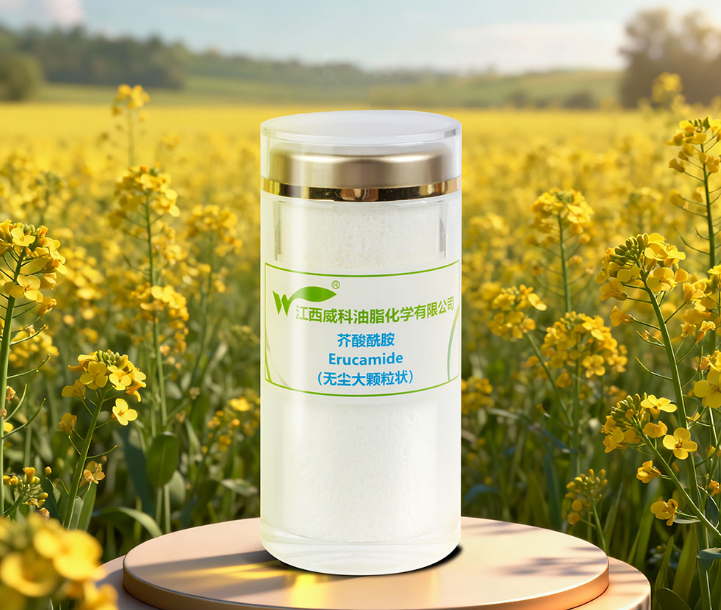
Topwellgoal is a trusted manufacturer of high-purity fatty acid amide additives, including oleamide, erucamide, stearamide, and EBS, designed to enhance processing performance and surface properties in plastic applications.
Our expertise in oleochemical additives and slip agent technology enables us to support manufacturers across packaging, automotive, consumer goods, and industrial materials industries.
If you are a polymer producer, compounder, masterbatch manufacturer, or distributor seeking reliable additive solutions, Topwellgoal is ready to collaborate with you.