 Chinese
 Italian
 Spain
Spain French
 German
 Arabic
 Portugese
From Powder to Pellet: How Masterbatch Makes Fatty Acid Amides Production-Ready
Adding amide-based additives to a polymer system at 0.1% sounds straightforward until you try to do it accurately at production scale. A film extrusion line running at 500 kg per hour needs exactly 500 grams of erucamide or oleamide per hour, a tiny, precise, continuous flow of fine waxy powder that standard feeding equipment struggles to deliver consistently. That dosing challenge is just one of three fundamental problems that raw powder format creates for end users, and it is the reason functional masterbatch has become the preferred delivery format for fatty acid amide additives across film, molding, and compounding applications.
The Three Problems Raw Powder Creates at the Production Level
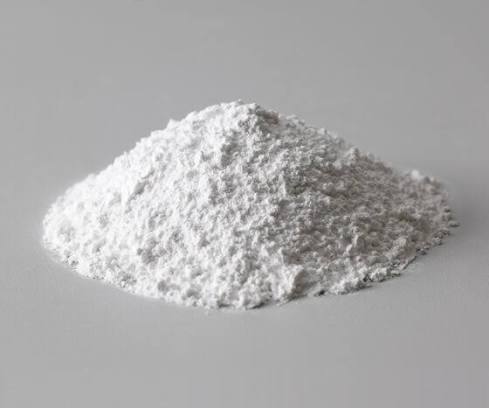
The handling problem comes first. Fine amide powder is dusty, waxy, and adhesive, it clings to surfaces, creates slippery floor conditions that trigger safety incidents, and becomes airborne during dosing, generating respiratory hazard exposure for operators. For production environments with hygiene or clean-room requirements, powder handling introduces contamination risks that are difficult to manage through process controls alone.
The dosing problem compounds the handling problem. At low addition rates typical of amide-based additives, 0.1% to 0.5%, the absolute quantities being fed into the extruder are small enough that feeder accuracy becomes the limiting variable in formulation consistency. Any fluctuation in powder flow rate translates directly into inconsistent additive concentration in the finished film or part, which means variable COF, inconsistent mold release, or unpredictable slip performance from roll to roll or shot to shot.
The dispersion problem is the most technically damaging. Fatty acid amides are not naturally compatible with the polymer melt, which is precisely why they migrate to the surface and perform their slip or release function. But that same incompatibility means that powder added directly to the extruder hopper does not have sufficient time or shear energy to distribute uniformly before the melt reaches the die. The result is undispersed clumps, fish-eyes and gels, that create visible defects in film and surface irregularities in molded parts. At the addition rates typical of these plastic additives, there is simply not enough material present for the extruder's mixing action to reliably overcome poor initial distribution.
How Masterbatch Solves All Three Problems Before the Product Reaches the Line
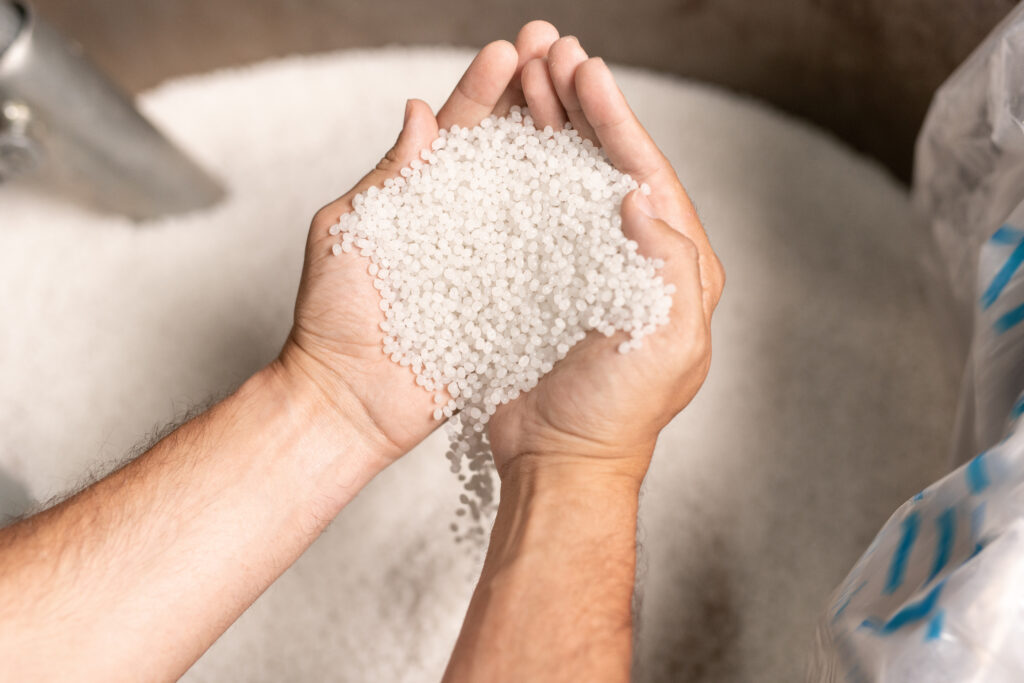
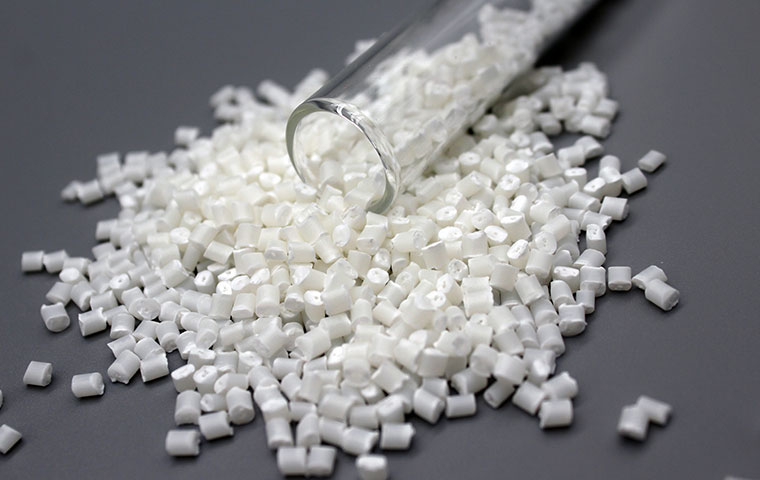
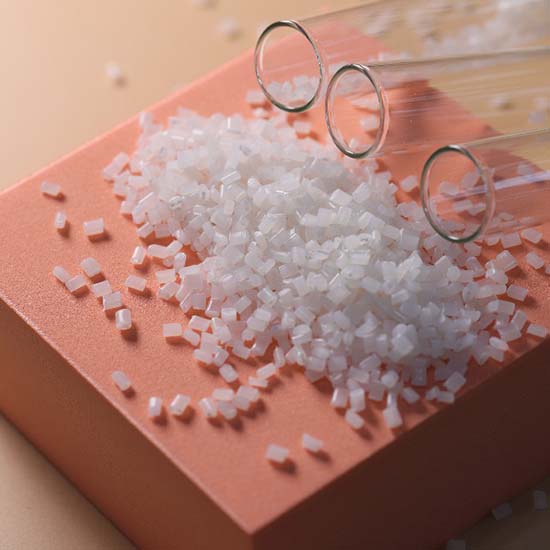
A functional masterbatch eliminates each of these problems at the manufacturing stage rather than asking the end user to manage them at the production stage. The active fatty acid amide is compounded with a compatible carrier resin, LLDPE for PE film applications, PP carrier for PP molding, melted, intensively mixed under high shear, and extruded into solid, free-flowing pellets. The amide is pre-dispersed at the microscopic level within the carrier before the masterbatch ever reaches the customer.
The practical implications are significant. Dust-free pellets handle like any other resin, they pour cleanly, feed accurately through standard gravimetric or volumetric feeders, and create no floor contamination or airborne exposure risk. Dosing accuracy improves dramatically: instead of metering 500 grams per hour of powder, the operator adds 5% or 10% of masterbatch pellets, a much larger, easier-to-control quantity that standard feeding equipment handles reliably. And because the amide is already uniformly distributed within the carrier resin at the compounding stage, it disperses evenly into the base polymer during processing without the gel formation that direct powder addition risks.
The carrier resin selection is not incidental, it is where a technically capable masterbatch manufacturer or oleochemical factory adds real formulation value. The carrier must be chemically compatible with the end user's base polymer to avoid phase separation and mechanical property loss. It must also allow the amide to migrate normally after processing, a carrier that traps the amide defeats the purpose. And for food-contact applications, the entire masterbatch formulation including the carrier must meet applicable FDA or EU food-contact regulatory requirements, not just the active ingredient.
Total Applied Cost, Not Unit Price
The economics of functional masterbatch versus raw powder are often misread at the purchasing stage. Masterbatch costs more per kilogram than the equivalent active content in powder form, that comparison is accurate and incomplete. The relevant calculation is total applied cost: what the additive system actually costs when waste from powder dusting, downtime from clogged feeders, scrap from gel-contaminated film, and in-house quality verification are included in the accounting.
In practice, masterbatch consistently delivers lower total applied cost for amide-based additives in production environments because it eliminates the sources of waste and inconsistency that powder format generates. The line runs more consistently, quality control burden decreases, and inventory management simplifies to natural resin plus one masterbatch addition rather than multiple powder additives requiring separate handling protocols.
Source Your Fatty Acid Amide Masterbatch from a Manufacturer Who Knows the Chemistry
For film producers, injection molders, and b2b chemical manufacturer customers sourcing fatty acid amide masterbatch, the quality of the active ingredient inside the pellet determines the quality of the finished product. Topwellgoal manufactures high-purity erucamide, oleamide, stearamide, EBS, and the full range of amide-based additives that go into functional masterbatch formulations, supplying both direct end users and masterbatch producers worldwide with consistent, well-characterized raw materials backed by full COA documentation and technical application support.
Contact Topwellgoal today to request product specifications, samples, or guidance on selecting the right fatty acid amide grade for your masterbatch formulation.