 Chinese
 Italian
 Spain
Spain French
 German
 Arabic
 Portugese
From Spray to Compound: The Smarter Approach to Mold Release in Plastic Processing
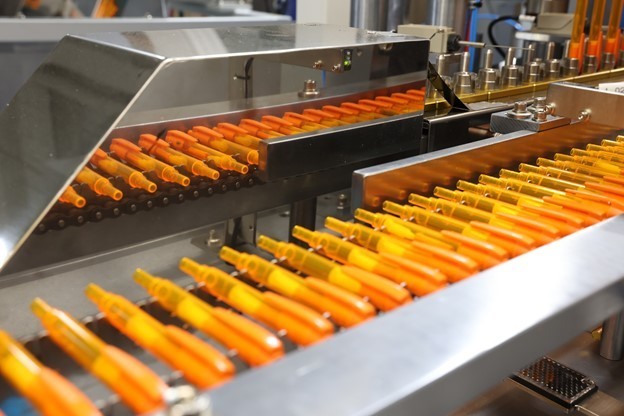
The mold release step sits quietly in most injection molding operations, until it causes a problem. Silicone spray contaminating parts before painting. Solvent-based coatings creating fire hazard exposure and respiratory risk for operators. Between-cycle application adding time to every shot, slowing throughput, and requiring mold cleaning intervals that compound downtime across a shift. These are not edge-case problems. They are the routine costs of relying on topical release agents, and they disappear when the release function moves inside the polymer.
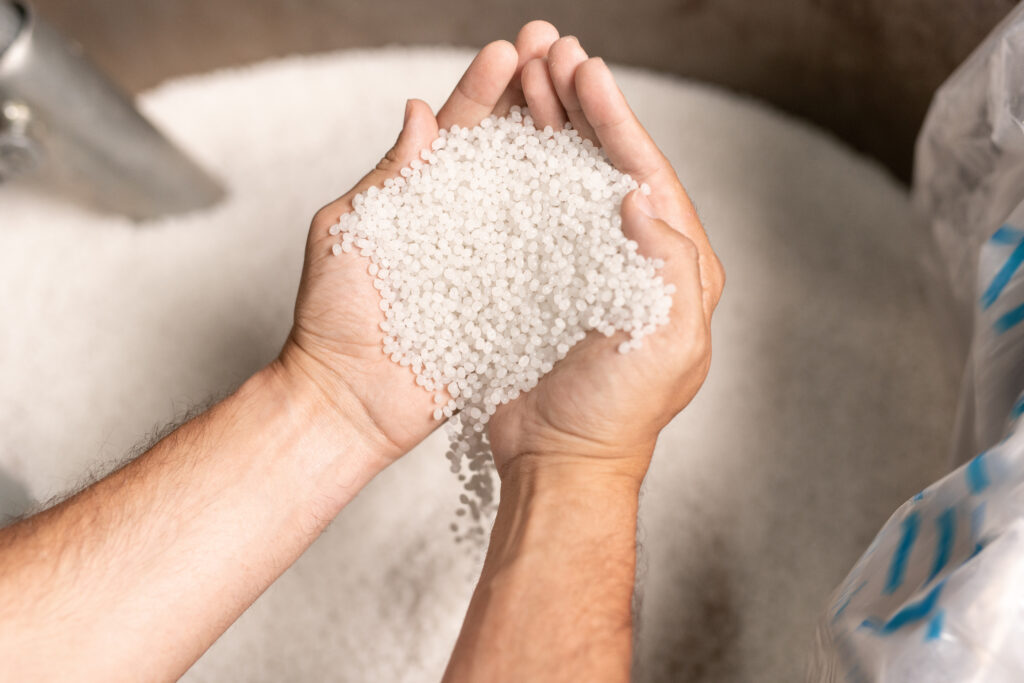
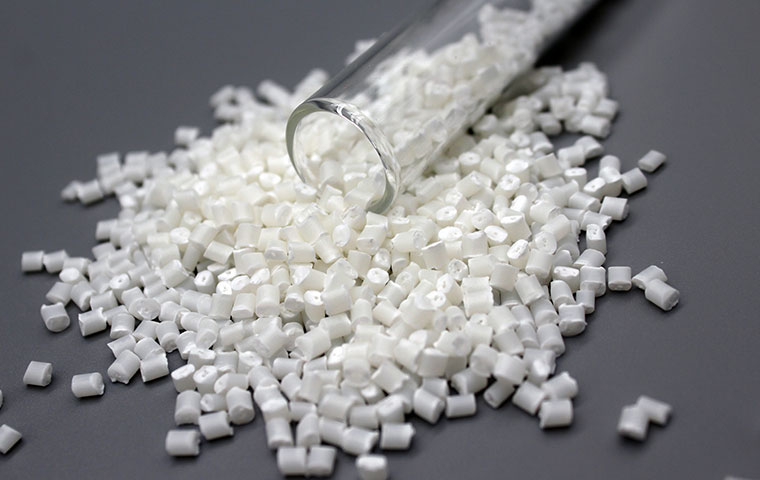
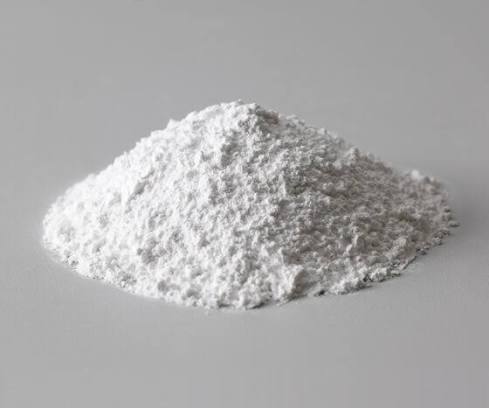
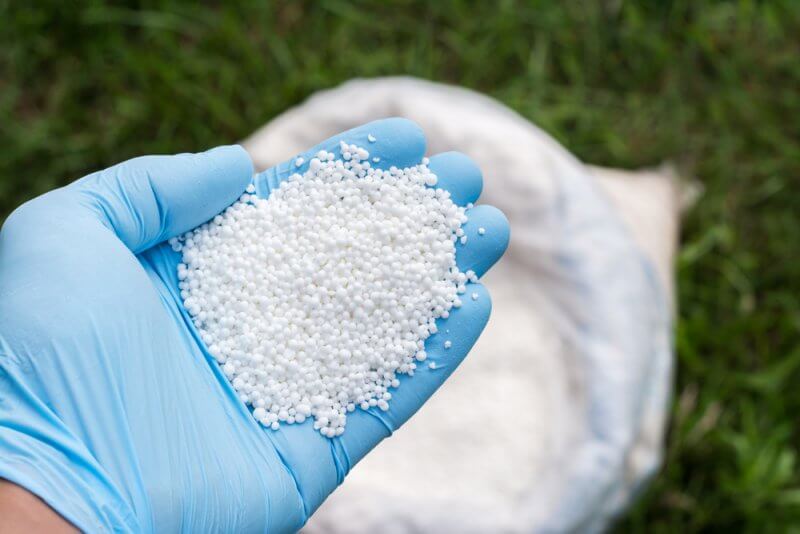
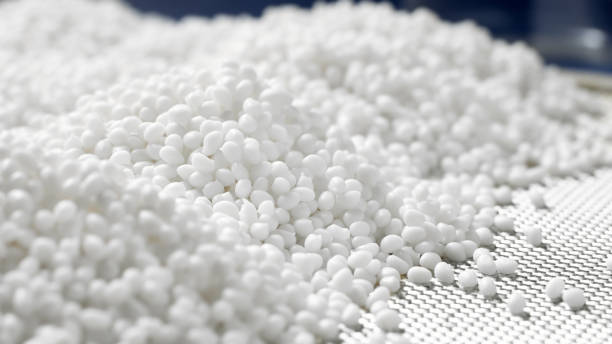
Amide-based additives used as internal mold release agents eliminate the need for external spraying entirely. Compounded directly into the polymer, they migrate automatically to the mold interface during processing, forming an invisible lubricating layer that enables clean release without operator intervention, mold contamination, or cycle time penalties. For plastic additives formulators and procurement teams evaluating release system efficiency, the performance case is straightforward, and Topwellgoal, as a vertically integrated oleochemical factory specializing in amide chemistry, manufactures the raw materials that make it work.
How the Migration Mechanism Replaces the Spray Can
The chemistry behind internal amide-based additives as release agents is elegant in its simplicity. These molecules are deliberately incompatible with the bulk polymer matrix at a molecular level. During high-temperature processing, injection molding, extrusion, compression molding, that incompatibility drives the amide molecules toward the surface of the polymer melt, where they concentrate at the interface between the molten plastic and the metal mold surface.
The result is a self-forming, microscopic lubricating layer that requires no external application and replenishes automatically with each processing cycle as fresh amide migrates from the bulk. When the part cools and ejects, it releases cleanly without adhesion, surface marking, or the mold fouling that silicone sprays introduce over successive cycles.
At effective addition levels typically around 0.1%, and as low as 0.05% in some applications, this internal mechanism is also one of the most economical release solutions available. The fatty acid amide cost per part is negligible relative to the labor, material, and downtime costs associated with spray-based systems.
Why Amide-Based Release Outperforms Topical Alternatives
The comparison between internal amide-based additives and spray-based release agents is not close when evaluated across the full production cost picture. Silicone sprays require reapplication between cycles, accumulate on mold surfaces and require periodic cleaning, and contaminate part surfaces in ways that create adhesion failures in downstream painting, coating, and bonding operations. The fish-eye defects that silicone contamination introduces in painted automotive and consumer goods parts are a well-documented downstream quality problem with a supply chain cost that extends well beyond the molding cell.
Solvent-based spray release agents carry their own set of operational liabilities: fire hazard, operator health exposure, and formulations that are typically 90–97% solvent by weight, meaning the vast majority of what is being purchased, stored, and handled is a hazardous carrier rather than functional release chemistry.
Water-based alternatives avoid the fire and health risks of solvent systems but introduce slow evaporation times that extend cycle durations and can cause surface defects when moisture interacts with reactive polymer systems or heated mold surfaces.
Internal plastic additives based on amide chemistry eliminate all of these failure modes simultaneously. No reapplication. No mold contamination. No solvent exposure. No cycle time penalty. The release function is built into the material and operates automatically, a genuine set-and-forget solution that improves throughput, reduces labor, and creates a cleaner, safer production environment as direct operational outcomes rather than incidental benefits.
Topwellgoal: The Oleochemical Factory Behind the Chemistry
Understanding which amide-based additives deliver the best release performance for a specific polymer system, mold geometry, and processing temperature requires technical depth that goes beyond product selection from a catalogue. Oleamide, erucamide, stearamide, EBS, and EBH each have distinct migration rates, thermal stability profiles, and compatibility characteristics that determine how effectively they perform as internal release agents in different applications, and how their presence in the formulation interacts with other functional additives in the compound.
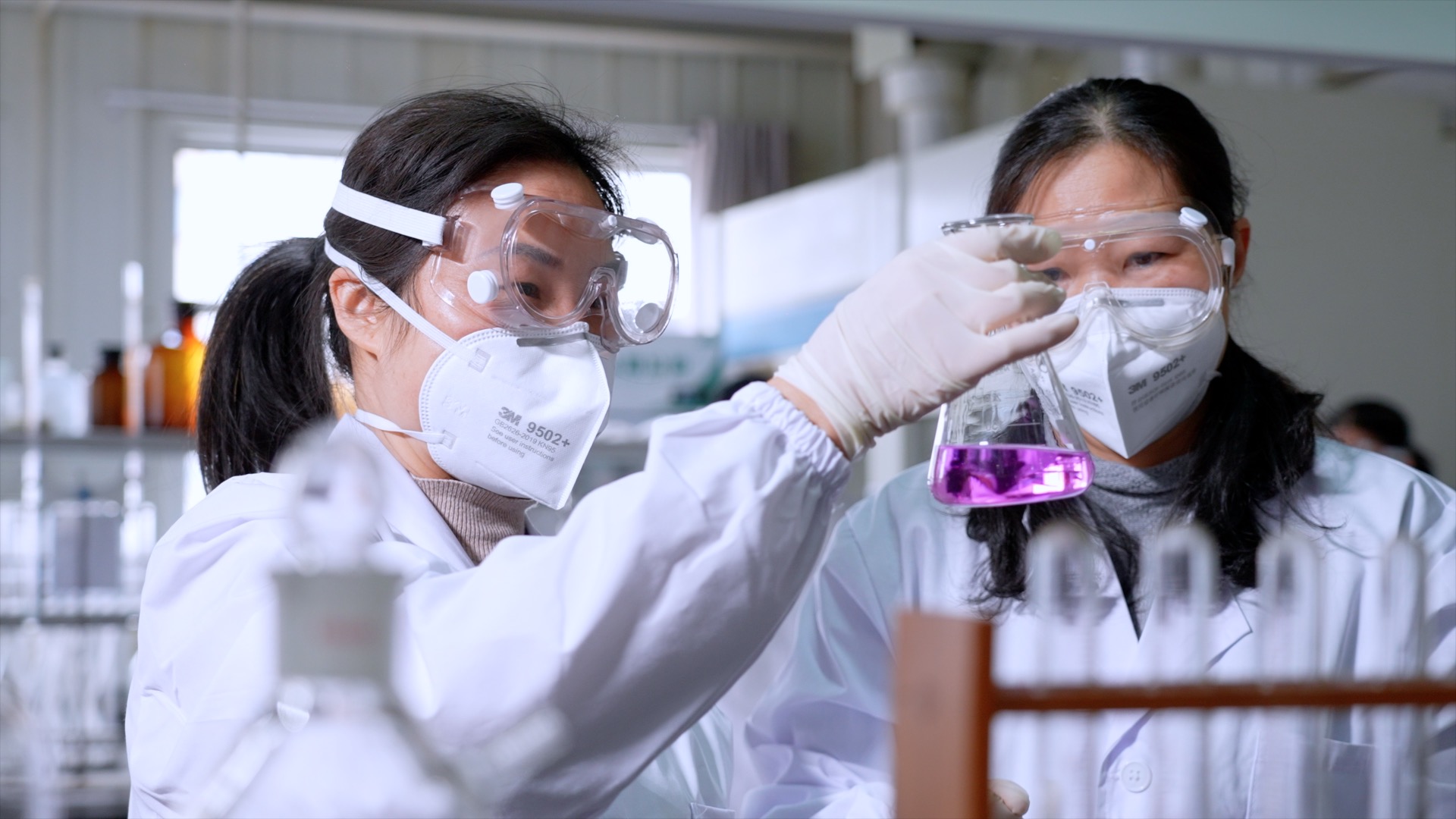
As a b2b chemical manufacturer and oleochemical factory with deep expertise in fatty acid amide chemistry, Topwellgoal supports customers not just with product supply but with the technical guidance needed to specify the right amide type and loading for the application. Our manufacturing infrastructure, ISO 9001-certified quality systems, high-purity production with active content exceeding 99.5%, and an automated packaging line capable of 1.5 tonnes per hour, ensures consistent product quality and reliable supply at the volumes industrial customers require.
For plastic additives distributors, compounders, and molding operations worldwide looking to replace spray-based release systems with a cleaner, more efficient internal alternative, Topwellgoal provides both the product and the technical partnership to make the transition work.
Contact Topwellgoal today to request product specifications, samples, or formulation support for amide-based internal mold release applications.