 Chinese
 Italian
 Spain
Spain French
 German
 Arabic
 Portugese
Why Plastic Film Producers Are Switching to Powder-Free Anti-Blocking Masterbatch
Every plastic film manufacturer running blown film lines knows the blocking problem. Film layers that cling together during winding, storage, or unwinding on bag-making equipment create production stoppages, damaged rolls, and customer complaints about film that won't open cleanly. The standard solution, adding anti-blocking agents to the film formulation, works. What it has traditionally also done is introduce a secondary problem: loose powder in the production environment that creates respiratory hazards, contaminates equipment, clogs feeders, and complicates regulatory housekeeping audits.
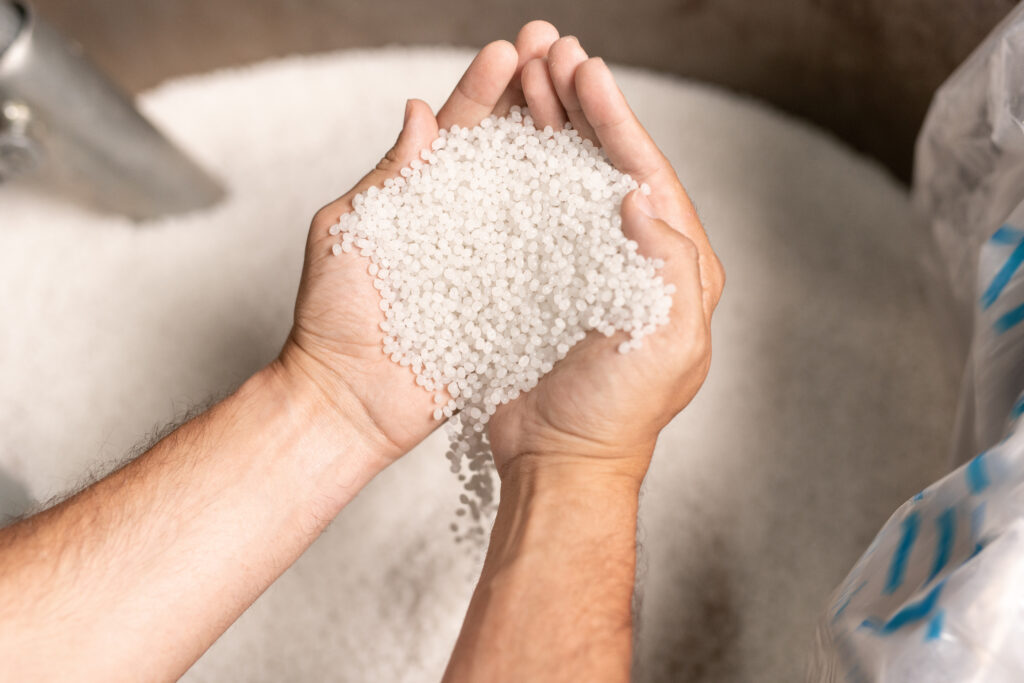
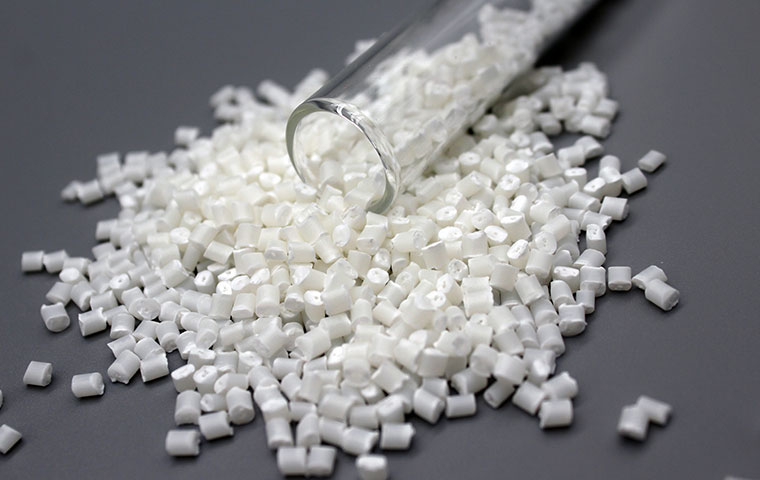
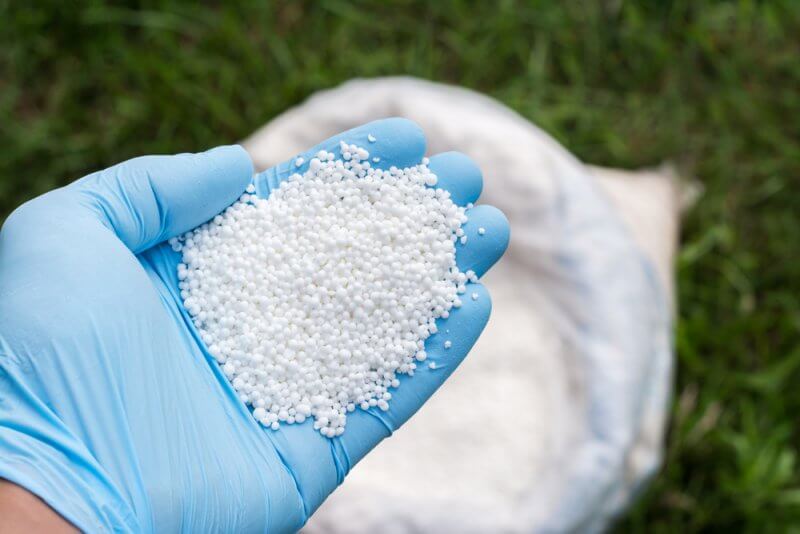
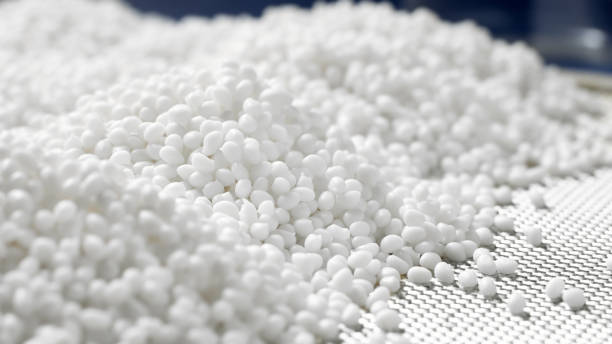
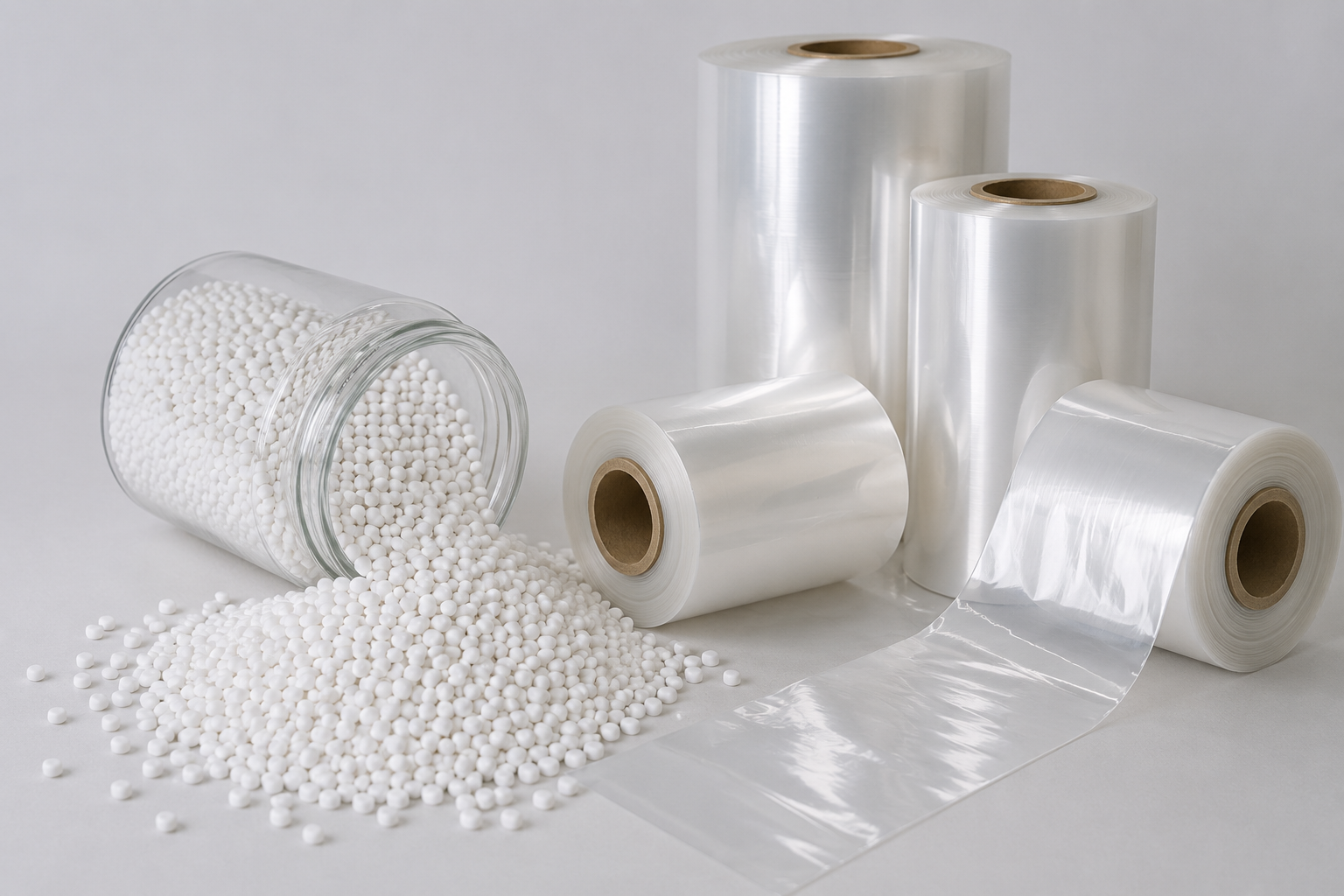
Anti-blocking masterbatch in pellet form eliminates that trade-off. The active anti-block particles are pre-dispersed and permanently bound within a carrier resin, then pelletized into free-flowing granules. The result is all the blocking prevention of traditional powder agents, with none of the dust, and Topwellgoal now manufactures its own powder-free masterbatch range, incorporating high-purity fatty acid amide oleochemicals directly into the formulation for combined anti-block and slip performance in a single addition.
Why Powder Format Creates Problems That Masterbatch Eliminates
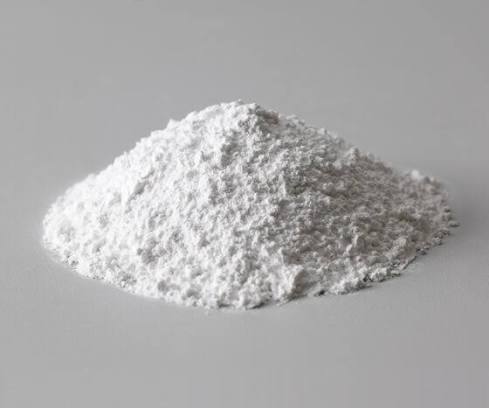
Traditional anti-blocking agents, synthetic silica, talc, diatomaceous earth, are effective at what they do. By creating microscopic surface roughness on the film, they reduce the contact area between adjacent film layers, preventing the molecular adhesion that causes blocking. The mechanism is well established. The problem is not the chemistry, it is the physical form.
Fine anti-block powders are inherently difficult to handle at production scale. Airborne dust from powder dosing creates respiratory hazard exposure for production workers, generates slippery floor conditions that trigger safety incidents, and accumulates on equipment surfaces where it contributes to plate-out on rollers and optical defects in the finished film. Powder feeding systems clog, dose inconsistently, and require frequent cleaning. In food-contact film production, airborne contamination risk adds a further compliance dimension that powder handling makes harder to manage.
Powder-free masterbatch addresses all of these at once. Because the active ingredients are locked inside the pellet structure, they remain inert during handling and storage, releasing into the polymer melt only during extrusion, where they disperse uniformly throughout the film matrix. Free-flowing pellets feed accurately through standard hopper and dosing systems, store cleanly, and eliminate the housekeeping and safety burden that powder additives impose on the production environment.
Performance Benefits Beyond Cleaner Handling
Switching to anti-blocking masterbatch format does not require accepting any performance compromise, and in practice, the more uniform dispersion that pelletized formats deliver improves consistency outcomes relative to powder addition.
When anti-block particles are pre-dispersed in a compatible carrier resin rather than added as loose powder to the extruder feed, their distribution throughout the film is more homogeneous. This translates to more consistent surface roughness across the film width, more predictable COF from roll to roll, and more stable optical properties, clarity and haze, than powder addition typically achieves. For plastic film manufacturers supplying converters and brand owners with tight specification requirements, this consistency advantage matters as much as the handling improvement.
The carrier resin selection is a critical formulation variable. A PE-based carrier for PE film applications, or PP-based carrier for PP film, ensures the masterbatch integrates seamlessly with the base polymer without creating compatibility-related dispersion defects or fish-eye formation.
Topwellgoal's Powder-Free Anti-Blocking Masterbatch: Integrated Slip and Anti-Block Performance
Topwellgoal's film masterbatch range goes beyond standard anti-block particle delivery. Our powder-free formulations incorporate high-purity fatty acid amide oleochemicals, including erucamide and oleamide, directly into the masterbatch, combining anti-blocking and slip agent functionality in a single pelletized addition.
This integrated approach simplifies formulation for plastic film manufacturers who would otherwise manage separate anti-block and slip masterbatch additions, each with their own dosage optimization and compatibility considerations. The fatty acid amide component migrates to the film surface after extrusion, forming a lubricating monolayer that reduces COF and improves film runnability on high-speed packaging lines, while the anti-block particle component creates the surface roughness that prevents inter-layer adhesion. Both functions are delivered from one clean, dust-free pellet.
The application range covers the full scope of blown film production: food packaging films where FDA and EU food-contact compliance is required, agricultural films, garbage bags and T-shirt bags where clean high-speed opening on bag-making equipment is essential, and demanding packaging line applications where consistent, low-friction unwinding is a line-speed dependency.
As a technically experienced b2b chemical manufacturer in oleochemicals and polymer additives, Topwellgoal formulates its powder-free masterbatch with the same quality standards applied across our full fatty acid amide product range, consistent active content, compatible carrier selection, and full regulatory documentation for food-contact applications.
Contact Topwellgoal today to request product specifications, samples, or formulation guidance for powder-free anti-blocking masterbatch tailored to your film application and base resin system.